

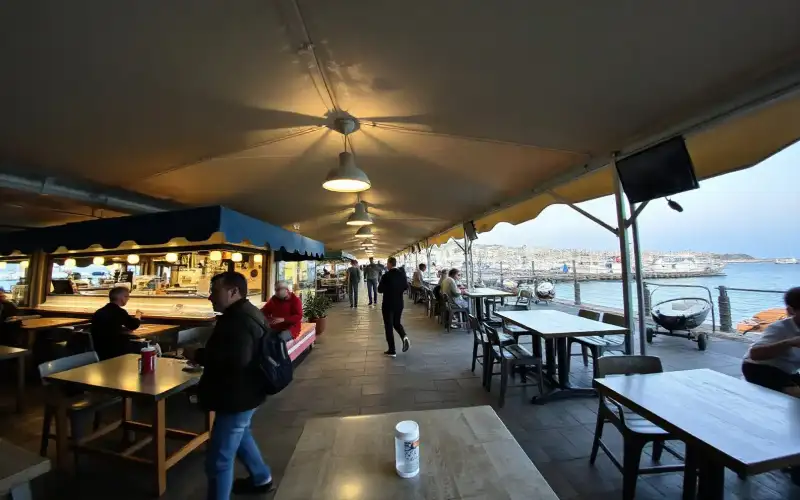
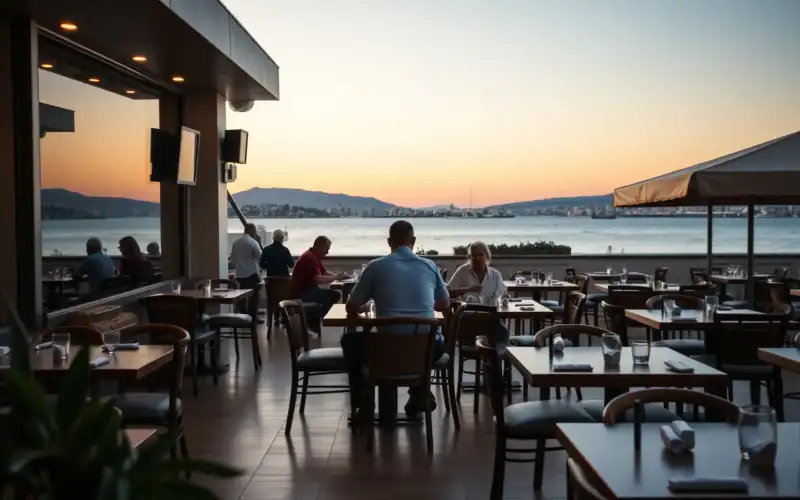
I sat at a small wooden table on Larnaca's seafront last October, the evening sun turning the Mediterranean gold, and watched an elderly Greek Cypriot couple tear into a piece of grilled halloumi while their grandchildren fought over a bowl of tzatziki. The waiter kept arriving with small plates—dolmades, saganaki, charred octopus, whitebait, village salad, warm bread—and nobody was pointing at a menu or asking for anything specific. They were simply eating meze, and frankly, after fifteen years of visiting this island, I can't imagine dining any other way.
Meze is not a dish. It's not even really a meal in the conventional sense. It's a conversation, a ritual, a way of understanding how Cypriots actually eat when they're not performing for tourists. And yet, I've watched countless British visitors—people who've flown six hours to experience something authentic—sit down in Larnaca restaurants and order a single main course from a laminated menu. They're missing the entire point.
What Meze Actually Is (And Why It Matters)
Let me be clear: meze is a collection of small plates, usually shared, that arrives in waves throughout the evening. It's tapas-adjacent but distinctly Cypriot, rooted in Ottoman tradition and shaped by centuries of Mediterranean trading. You don't order 'one meze'—you order a meze spread, and what arrives depends on the season, what the kitchen has that day, and the restaurant's particular obsessions.
In my experience, a proper meze spread for two people (which costs between €25 and €40 in most traditional tavernas) will include somewhere around fifteen to twenty plates. You might get halloumi (grilled or fried), saganaki (fried cheese), dolmades (rice-stuffed grape leaves), tzatziki, melitzanosalata (aubergine dip), taramosalata (fish roe), hummus, feta with olives, charred octopus, grilled fish, whitebait, sometimes souvlaki, village salad with Cypriot tomatoes that actually taste like tomatoes, warm pitta bread, and whatever else the kitchen felt like preparing that day.
The key difference between meze and ordering à la carte: you're not choosing. The restaurant is. And that's exactly why it works.
When you order a single grilled fish and a salad, you're eating what the kitchen assumes you want. When you order meze, you're eating what the kitchen knows how to do best, in portions designed for sharing and tasting rather than stuffing yourself. It's controlled chaos, and it's economical in a way that British diners—accustomed to three-course meals where each course is designed to fill you up—rarely expect.
The Economics of Eating Smart in Larnaca
Let's talk money, because this matters. A main course in a decent Larnaca taverna runs €12 to €18. A meze spread for two, as I mentioned, costs €25 to €40 total. That's €12.50 to €20 per person, and you're eating three times as much variety. You get to taste halloumi and octopus and whitebait and dips and salad and bread. You're not locked into a single protein and a side of chips.
More importantly, you're not paying for the illusion of a 'main course.' You're paying for what you actually eat. If you're not hungry after twelve plates of charred octopus, tzatziki, and grilled cheese, you stop. If you want more, you order more. There's no artificial boundary between starter and main, no obligation to eat something you didn't want just because it was listed as 'the main event.'
I watched a couple from Manchester last summer order meze at Militzis in the old town, then spend the next two hours chatting and eating small plates while barely touching their wine. They paid less than they would have for fish and chips on the seafront, and they ate better food. That's the deal meze offers.
Where to Eat Real Meze (Not Tourist Versions)
This is crucial: not all meze is created equal. There are restaurants in Larnaca's seafront strip that offer 'meze platters'—basically, a selection of pre-made dips and some grilled meat, served all at once on a big plate. That's not meze. That's a marketing exercise.
Real meze comes in waves. The cold dishes first—dips, salads, cheese. Then the hot plates—fried cheese, grilled octopus, whitebait. Then the heavier proteins. The rhythm matters. The surprise matters. The fact that you don't know what's coming next matters.
In the Old Town (Larnaca's authentic heart): Militzis operates from a cramped, aggressively unpretentious space near the castle. The meze here is old-school—meaning no concessions to international tastes, no foam, no 'deconstructed' anything. You get halloumi that tastes like halloumi, saganaki that's still hot, and an octopus salad that makes you question why anyone eats anything else. Expect to spend €28 to €35 per person if you order wine.
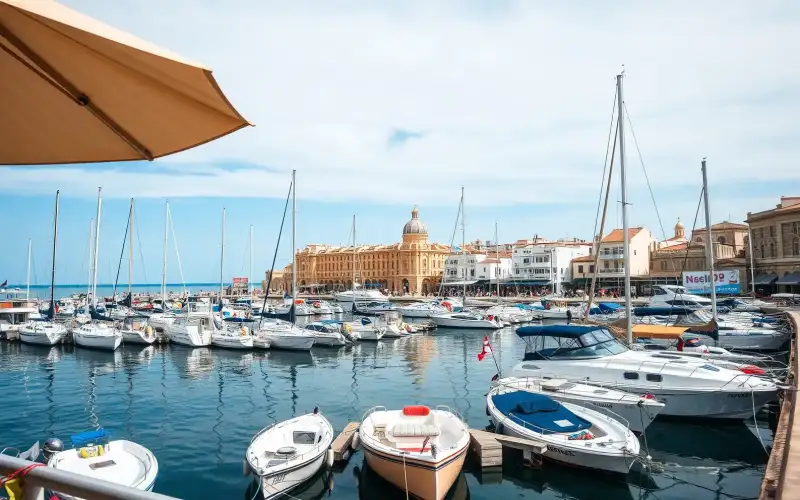
Psarolimano, also in the old town near the fishing harbour, specializes in seafood meze. The whitebait here (tiny, fried whole) are addictive. The grilled octopus comes charred and tender. The calamari is treated with respect. If you're near the water at sunset, this is where you want to be. €30 to €38 per person.
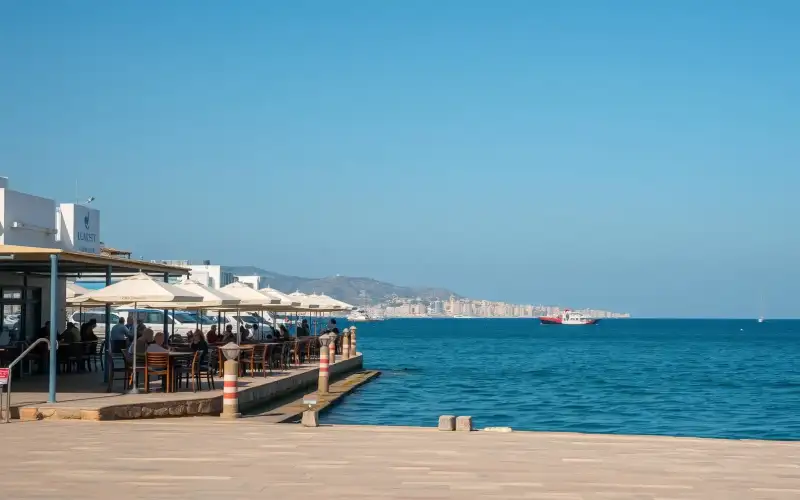
Along the Seafront (Phinikoudes): Avoid the tourist traps with the laminated menus and the waiters standing outside trying to pull you in. Instead, look for Thalassa, which sits slightly back from the main strip. The meze here is comprehensive—they do all the classics, but they also experiment. I've had charred artichokes, grilled saganaki with honey, and a fish roe dip that was lighter and more delicate than the standard version. €32 to €42 per person with wine.
In Larnaca's residential neighbourhoods: If you can get to Finikoudes or further inland toward the Larnaca suburbs, you'll find family-run tavernas where locals actually eat. These places don't advertise much. They don't need to. A spot like Taverna Maria, tucked away in a quiet square, offers meze that changes with the season and the mood of the kitchen. You'll pay less (€22 to €28 per person), eat better, and you'll likely be the only British people in the room.
What Comes in a Proper Meze Spread: The Classics
If you've never ordered meze, here's what to expect:
- Halloumi: Grilled or fried, squeaky cheese that doesn't melt. Essential. If they serve it cold, send it back.
- Saganaki: Fried cheese, usually served with lemon. It arrives hot and should be eaten immediately.
- Dolmades: Grape leaves stuffed with rice and sometimes meat. Often served cold with lemon.
- Tzatziki: Yoghurt, cucumber, and garlic. Use it as a sauce for everything that follows.
- Melitzanosalata: Smoky aubergine dip. The best versions are charred over open flame.
- Taramosalata: Fish roe dip, creamy and salty. Not for everyone, but worth trying.
- Octopus: Grilled until charred, usually served with lemon and olive oil. This is where you know if a restaurant is serious.
- Whitebait: Tiny fish fried whole. Eat them all, bones and all.
- Village salad: Tomato, cucumber, onion, feta, olives. Simple, but the tomatoes are the star.
- Bread: Warm pitta or village bread. Use it to scoop dips and soak up olive oil.
The Hidden Advantage: Control Over Your Pace
Here's something restaurants don't advertise: meze gives you control. In a traditional à la carte meal, the kitchen decides the timing. Your main arrives when the kitchen decides to send it out. You eat it when it's hot, whether you're ready or not. Then you wait for dessert. The whole experience is choreographed by someone else.
Meze is different. Plates arrive gradually. You eat at your own pace. You can spend ten minutes on the halloumi while you talk, then move to the octopus when you're ready. If the conversation is good and the wine is cold, you stay for three hours. If you want to finish quickly, you can. The restaurant isn't pushing you through a set sequence.
This matters more than you'd think. After a long flight from London, after checking into your hotel and navigating Larnaca's seafront, you don't want to be rushed through dinner. You want to sit, breathe, eat slowly, and remember why you came to Cyprus. Meze lets you do that.
The Seasonal Advantage: Why Meze Changes Everything
Another reason I always order meze: it forces you to eat seasonally. In winter, you'll get more slow-cooked dishes, more meat, more hearty preparations. In summer, more grilled fish, more fresh salads, lighter fare. You're not eating the same menu in July that you ate in November.
This matters because Cyprus's food culture is rooted in what's actually available right now, not what's frozen in a warehouse. A restaurant that does meze properly changes its spread constantly. Visit Larnaca in spring, and you might find charred artichokes or fresh asparagus. Visit in September, and you'll find grilled fish and tomatoes still warm from the sun.
When you order meze, you're agreeing to be surprised. You're trusting the restaurant to feed you well based on what's actually in season, not based on what you think you want. That's a fundamentally different—and better—way to eat.
How We Chose These Restaurants
I've visited these spots over multiple trips to Larnaca, at different times of year, at different times of day. I've eaten meze at lunch with locals, at sunset with other travellers, late at night after drinks. I've spoken to waiters, watched how they treat regular customers versus tourists, observed what other people are ordering.
I excluded restaurants that rely on tourist foot traffic to survive, places where the menu is designed for visitors who want 'safe' food. I excluded spots that serve meze on a single large plate all at once—that's not meze, that's a platter. I included only places where the meze arrives in waves, where you can taste the kitchen's actual skill, where locals eat regularly.
I also considered value. The best meze isn't always the most expensive meze. Some of Larnaca's finest spreads come from small family-run places that charge less than the seafront establishments because they don't have waterfront rent to pay.
Why British Travellers Sleep on Meze
I think part of the problem is cultural. British dining tradition emphasizes the 'main course'—a single, substantial protein with sides, designed to be filling and unmistakable. We're used to knowing exactly what we're ordering before we order it. We want protein, carbs, veg, all accounted for. Meze feels chaotic by comparison. It feels like you're not getting a 'proper meal.'
You are. You're just getting it differently.
I've also noticed that many British visitors are nervous about ordering something unfamiliar. What if they don't like whitebait? What if they don't want fried cheese? With meze, you're committed to trying things you might not choose if you were ordering individually. For some people, that's terrifying. For others, it's the entire point of travelling to Cyprus.
If you fall into the nervous category, ask the waiter to explain what's in the spread. Most will happily walk you through each plate. If there's something you genuinely can't eat, mention it. A good restaurant will accommodate. But I'd encourage you to be adventurous. The worst that happens is you discover you don't like something. The best that happens is you discover a new favorite dish.
The Social Angle: Why Meze Is Better for Groups
If you're visiting Larnaca with family or friends, meze is practically designed for shared dining. Everyone gets to taste everything. Nobody feels stuck with the wrong choice. If your partner orders fish and you order meat, but you both want to try both, meze solves that problem instantly.
I've watched families with young children thrive on meze—kids get to pick and choose, try small amounts of different things, develop their palates without the pressure of committing to a full plate of something they're not sure about. I've watched groups of friends linger for hours over meze and wine, each plate sparking a conversation about flavor or technique or where the restaurant sources its ingredients.
Meze is fundamentally social in a way that a single main course isn't. It encourages sharing, conversation, and lingering. In a world where dining has become increasingly about speed and efficiency, that feels revolutionary.
What I Always Order (Beyond the Standard Spread)
If you're at a good meze restaurant and you want to go deeper, here's what I recommend adding:
First, ask what they have that's not in the standard spread. Good restaurants always have specials—maybe fresh sea urchin if you're visiting at the right time, or a seasonal vegetable preparation, or a particular fish that just came in. These aren't on the menu because they change constantly. You have to ask.
Second, order wine. Not expensive wine necessarily, but local wine. A Cypriot white wine—maybe something from Keo or Loel—costs €15 to €25 and is designed to pair with this exact food. It's more natural than ordering Pinot Grigio or Sauvignon Blanc.
Third, if you're still hungry after the main meze spread (which is rare), order grilled meat—lamb chops, souvlaki, whatever they recommend. But only order it if you actually want it, not out of obligation. The meze should be enough.
Final Thoughts: Why Meze Matters Beyond the Food
Meze isn't just the best way to eat in Larnaca because it's economical or varied or delicious. It's the best way to eat because it's how Cypriots actually eat. It's not a tourist experience. It's not 'authentic cuisine prepared for visitors.' It's the real thing.
When you order meze, you're not paying for the illusion of authenticity. You're participating in an actual tradition that's existed for centuries. You're eating the way locals eat. You're trusting a kitchen to feed you well based on their expertise, not based on your preconceived notions of what a meal should look like.
That's rare in modern travel. Most tourist experiences are designed to feel authentic while actually being carefully constructed for outsiders. Meze is different. A restaurant doing meze properly isn't trying to impress you with presentation or novelty. It's trying to feed you well. That's all.
Next time you're in Larnaca—whether you're visiting for a weekend or staying for a week—skip the seafront tourist traps and the chain restaurants. Find a small taverna in the old town or a family-run spot in a residential neighbourhood. Order meze. Sit. Eat slowly. Let the kitchen surprise you. That's when you'll understand why I always eat meze, and why you should too.
Comments (0 comments)
No comments yet — be the first!