

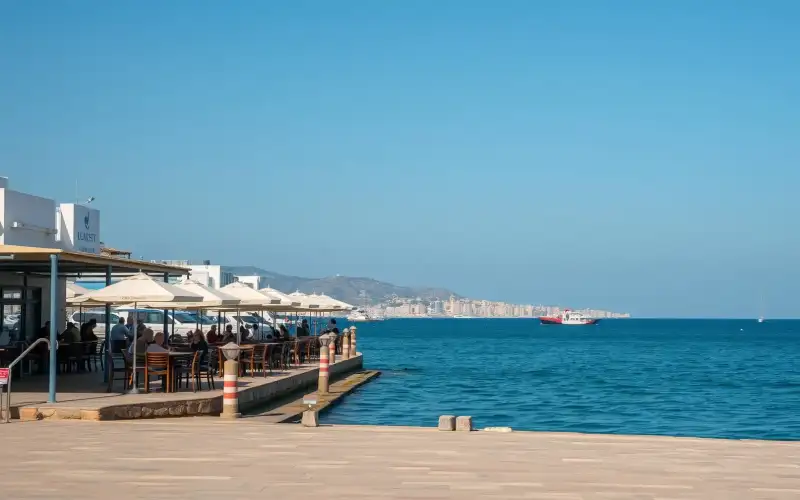
Last summer, I watched a British couple at a harborside taverna on Finikoudes freeze mid-meal. The bill had arrived, the waiter hovered nearby, and they exchanged that particular look—part confusion, part mild panic—that every UK visitor recognises. "Is 10% enough? Do we tip at all here?" one whispered across the meze platter. The waiter, patient and kind as most Cypriot service staff are, simply waited. No pressure. No guilt trip. Just the reality that tipping culture in Larnaca operates on entirely different rules than London or Edinburgh.
The short answer: no, you don't need to tip in Larnaca restaurants. But the longer, more useful answer is that tipping works differently here, and understanding those differences makes your meals more relaxed and your interactions with staff more genuine.
The Cyprus Tipping Landscape: No Service Charge Obligation
Cyprus has no automatic service charge added to restaurant bills. Unlike many European countries—France, Germany, parts of Scandinavia—there's no hidden 15% waiting at the bottom of your receipt. What you see on the menu is what you pay, plus VAT at 19% (the standard rate across Cyprus in 2026). This simplicity is refreshing, but it also means the tipping decision lands squarely on you.
The Cypriot approach reflects a different hospitality philosophy. Service staff in Cyprus earn a base wage (around €850–€950 monthly for restaurant workers in Larnaca, according to 2026 employment data), and while tips are appreciated, they're not relied upon as a wage subsidy the way they are in the United States. This changes the entire emotional weight of the transaction. You're not tipping because the restaurant has underpaid its staff; you're tipping because the service was good and you want to acknowledge it.
That distinction matters. It takes the guilt out of the equation and makes tipping feel like what it should be: a genuine gesture of appreciation rather than a mandatory tax.
Restaurant Tipping: Where, When and How Much
Fine Dining and Upscale Seafront Restaurants
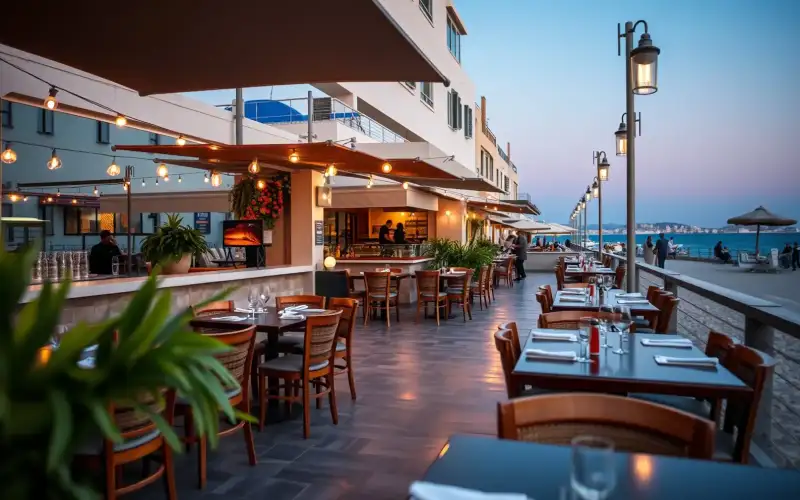
If you're dining at one of Larnaca's more formal establishments—the kind with white tablecloths, a sommelier, and mains running €22–€35—tipping 10% is standard and expected. This applies especially to restaurants along Finikoudes seafront, where the setting, service attentiveness, and overall experience justify the gesture. At a place like this, a €50 meal becomes €55 with a modest tip, which feels proportional and fair.
The service here is typically attentive without being intrusive. Your waiter will check on you, refill water glasses, clear plates at appropriate moments. If they've done that well, they've earned acknowledgment. Leave €5–€10 on a €50–€100 bill, or round up to the nearest €5 if you're paying by card.
Traditional Tavernas and Casual Meze Houses
This is where most British visitors spend their time, and where tipping becomes genuinely optional. A traditional Cypriot taverna—the kind where you might order grilled halloumi, souvlaki, and a few shared mezze plates for €30–€45 per person—operates on a different rhythm. Service is friendly and efficient, but less formal. The waiter might chat with you, recommend the fish of the day, or bring an extra dish on the house.
At these places, leaving €2–€5 on a €40 bill is generous and appreciated. Rounding up to the nearest euro or €2 is perfectly acceptable and common. If the bill comes to €38, leaving €40 is enough. No one expects more, and no one will think less of you for it. Many locals leave nothing, or pocket change—a few cents—which tells you something about local expectations.
Casual Cafés and Fast-Casual Spots
Beach cafés, souvlaki stands, and quick lunch spots near Larnaca Airport or the old town don't expect tips. If you're grabbing a coffee and a pastry for €6, there's no need to add anything. If you're a regular or the staff went out of their way (making a special order, remembering your preference), dropping €0.50–€1 is a nice touch, but it's not expected. Many of these places have a small tipping jar by the till—contribute if you feel moved, ignore it if you don't.
The Card Versus Cash Question
Here's where things get practical. In 2026, most Larnaca restaurants accept cards, but cash tipping remains more common and more appreciated. If you're paying by card, you have a few options:
- Ask for cash back and leave notes or coins on the table. This is the clearest method and gives the waiter immediate, tangible recognition.
- Add a tip to the card payment. Some card terminals in Cyprus allow you to add a tip amount before entering your PIN. This works, but it's less common in casual tavernas than in formal restaurants.
- Leave nothing on card and tip in cash separately. Many visitors do this—they pay the bill by card for record-keeping, then leave cash on the table. It's practical and appreciated.
The reality: cash tips are preferred because they go directly to the server without any cut going to the restaurant. If you're tipping at all, carry some small notes and coins (€1, €2, €5 notes) specifically for this purpose.
Beyond Restaurants: Taxis, Hotels and Other Service Staff
Taxi Drivers
Tipping a taxi driver in Larnaca is not expected, but rounding up is common. If your fare from the airport to your hotel comes to €24, handing over €25 or €26 is a nice gesture. For longer journeys—say, a €35 trip to Ayia Napa—rounding to €40 is generous but not obligatory. Drivers appreciate it, but they won't be offended if you don't tip. Official airport taxis (white with the blue and white livery) are metered and regulated; private transfers or Uber-style services might have different expectations, but again, rounding up is the safe default.
Hotel Housekeeping
If you're staying in a mid-range hotel in Larnaca for a week, leaving €1–€2 per night for housekeeping is appropriate. This amounts to €7–€14 for a week-long stay, which feels proportional. Leave it on the bedside table or in an envelope marked "housekeeping" on your last day. Hotel concierges who help arrange excursions or make special arrangements might deserve €2–€5 if they've gone above and beyond. Porters carrying bags? €1–€2 is standard.
Tour Guides and Activity Leaders
If you've booked a guided tour of the Larnaca salt lakes, a diving excursion to the Zenobia wreck, or a day trip to the Troodos Mountains, tipping your guide €5–€10 (depending on group size and tour length) is customary. These guides often work on seasonal contracts and rely partly on tips. If the experience was genuinely memorable, €10–€15 is generous and will be remembered.
Cultural Context: Why Cyprus Tipping Feels Different
Understanding the "why" behind Cypriot tipping norms helps you navigate them with confidence. Cyprus is a small island where hospitality is woven into social fabric rather than treated as a commercial transaction. Service staff often know regular customers by name. A taverna owner might refuse to let you pay for an extra round of drinks if you've been coming for years. This isn't transactional; it's relational.
In that context, tipping isn't about compensating someone for a job; it's about acknowledging a human interaction that went well. A waiter who remembers that you prefer your coffee without sugar, or who brings your usual table without being asked, has given you something beyond the service described on the menu. That's what tips are for.
This also explains why Cypriot service staff rarely pressure you for tips. They're not dependent on them as income. They're genuinely grateful when they receive them, but they don't expect them as a right. The absence of guilt is liberating.
Practical Tipping Amounts at a Glance
| Situation | Bill Amount | Suggested Tip | Notes |
|---|---|---|---|
| Fine dining, Finikoudes | €50–€100 | €5–€10 (10%) | Card or cash; round up if paying by card |
| Traditional taverna | €30–€50 | €2–€5 or round up | Cash preferred; rounding to nearest €2–€5 is fine |
| Casual café or souvlaki | €6–€15 | €0–€1 | Optional; only if service was exceptional |
| Taxi (airport to hotel) | €20–€35 | Round up €1–€5 | Not expected; rounding is the gesture |
| Hotel housekeeping (per night) | — | €1–€2 | Leave on bedside table or in envelope |
| Guided tour (half-day) | — | €5–€10 | Depends on group size; more for exceptional guides |
Common Scenarios and How to Handle Them
Scenario 1: The Waiter Brings an Extra Dish on the House. This happens often in Cypriot tavernas—a plate of saganaki (fried cheese) or a complimentary dessert arrives with the owner's regards. You don't need to tip extra for this, but leaving a slightly larger tip than you would have planned (€1–€2 more) is a gracious acknowledgment of the gesture.
Scenario 2: The Bill Includes a "Service Charge" or "Cover Charge." This is rare in Larnaca but does happen in some upscale restaurants. A cover charge (€1–€3 per person) covers bread, olives, and table settings. This is not a tip; it's a charge. You can still tip on top of it if service was good.
Scenario 3: You're Part of a Large Group and the Bill Is Split. If the restaurant has already added a service charge to a group bill (sometimes done for parties of 8 or more), that's your cue not to tip additionally. If there's no service charge, each person should tip on their portion, or one person can tip on the total—just decide beforehand to avoid confusion.
Scenario 4: The Service Was Poor. In Cyprus, you're under no obligation to tip if service was genuinely bad. However, before you assume the worst, consider context. If the taverna is short-staffed or unusually busy, slowness isn't the waiter's fault. Reserve your non-tip for situations where the service was actually rude or negligent. Even then, a quiet word with the manager is more effective than a snub.
Final Thoughts: Tipping as Connection
Tipping in Larnaca, at its best, is a small moment of human connection. You're acknowledging that someone made your meal, your journey, or your stay a bit better. It's not a tax. It's not mandatory. It's optional, which is precisely what makes it meaningful when you do it.
For British travellers used to the anxiety of American tipping (where 18–20% is standard and expected), the Cypriot system feels refreshingly straightforward. Leave a few euros if the service was good. Leave nothing if it wasn't. Either way, you won't be judged, and you won't be chased down the street.
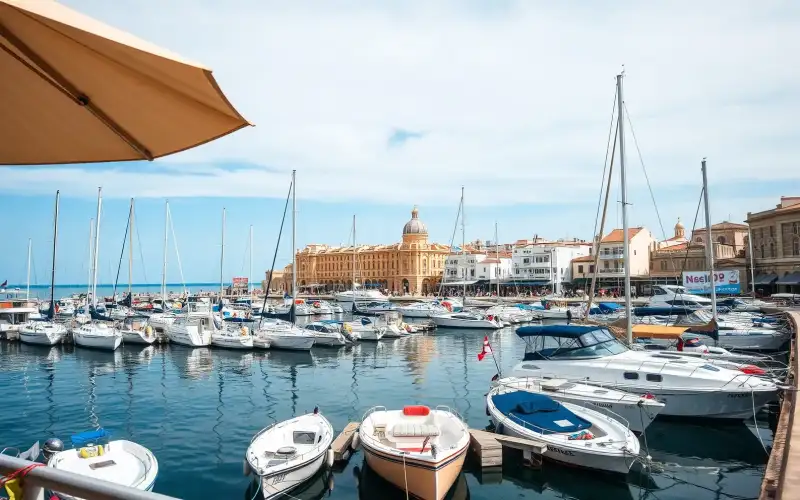
The next time you're sitting on a terrace overlooking Larnaca's harbor, watching the sunset paint the water orange and pink, your waiter brings another round of wine without being asked, and the meze keeps coming—that's when you'll understand. You'll want to leave something. Not because you have to, but because the moment feels worth acknowledging. That's the Cypriot way.

Comments (4 comments)