
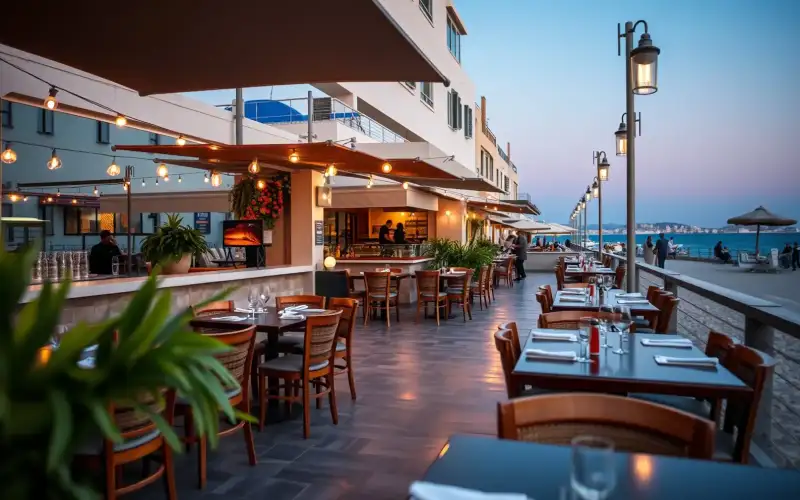
The Waterfront Has Changed – But Not Always for the Better
I arrived at Larnaca in 2019 after thirty years managing BA operations across European hubs. The seafront then was exactly what you'd expect: tourist traps with laminated menus, €22 fish dishes, and waiters who'd perfected the art of aggressive friendliness. By 2026, that's shifted. Not entirely – the hustlers still work the promenade – but beneath the surface, a genuine dining culture has taken root.
Walk past the cruise ship terminals on any Friday evening and you'll see it: local families claiming tables at places their grandparents ate in. Young Cypriot chefs returning from London and Athens are opening small places in the back streets of Larnaca's old town. The restaurant scene here isn't trying to be Limassol anymore. It's becoming itself.
The catch? You need to know where to look. And more importantly, what to expect at each price point. I've spent the last three years eating systematically through this city – from €8 souvlaki stands to €65 tasting menus – and the patterns are clear.
Overview: Three Tiers of Larnaca Dining
Larnaca's restaurant landscape splits into three distinct worlds, and pretending otherwise wastes your time and money.
Budget Tavernas and Street Food (€8–€18 per person)
The foundation of Cypriot eating happens here. This is where you find halloumi saganaki fried in olive oil until the edges blister, where grilled souvlaki arrives on wooden skewers, where a meze of ten small dishes feeds two people for under €20. These places are rarely fancy. Plastic chairs, checked tablecloths, possibly a TV in the corner showing football. The food is honest.
Locations matter. The old town – streets around Agios Lazaros church – hosts the real tavernas. You'll find To Petrino still operating after forty years, run by the same family, doing things exactly as they always have. A mixed grill for two: sausage, lamb cutlets, chicken, halloumi. Potatoes. Salad. House wine. €16 total. The kitchen is tiny, visible from your table. No pretence.
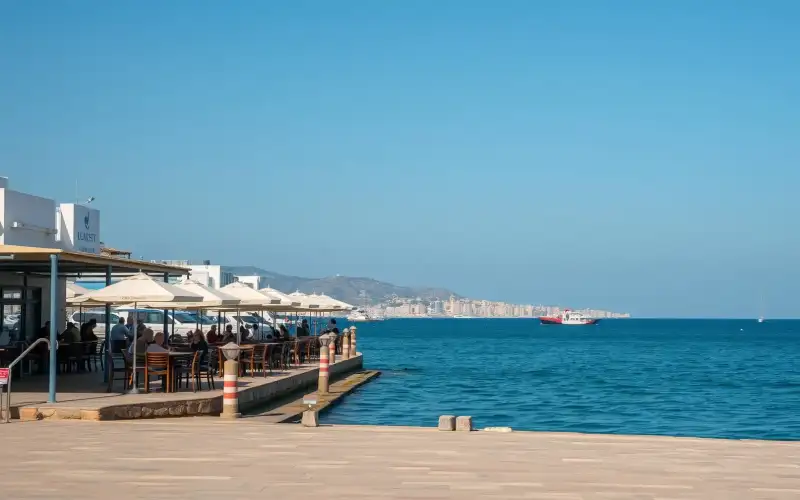
The seafront ones? Different category. Yes, they cost more (€18–€25 for mains), but you're paying for position, not just food. Miltiades Fish Taverna near the old fort does decent grilled fish, reasonable portions, and doesn't overcharge as viciously as some competitors. Ask for the catch of the day – usually €20–€28 per kilo, and a 300g portion serves one person adequately.
Street food deserves its own sentence. The souvlaki stand on Zinonos Kitieos – I've watched it serve the same recipe for three years – produces meat that's properly marinated and grilled on charcoal. €4.50 for a chicken souvlaki wrap with tomato, onion, tzatziki. Eat it standing up like a local.
Mid-Range Restaurants and Meze Houses (€25–€50 per person)
This is where Larnaca's dining renaissance actually lives. These restaurants – mostly opened since 2020 – take traditional Cypriot food seriously without the folksy theatrics. They've got proper wine lists, trained staff, and kitchens run by people who've worked elsewhere.
Psariko, in the old town near the Pierides Museum, represents this tier well. Meze-focused, meaning you order 8–12 small dishes and share. Saganaki, grilled octopus, keftedes, shrimp saganaki, traditional koupes, grilled fish. The portions are generous. Two people, €45 total with local wine. The space is clean, modern without being sterile, and the owner – Yiannis – actually cares whether you enjoyed yourself. I've eaten there monthly for two years.
Voula's Garden Restaurant works the same formula but with slightly more finesse. Located in the Larnaca Marina area, it's quieter, better for couples. Meze courses differently – starters, then grilled items, then cheese and fruit. The wine selection is Cyprus-focused, which matters. Local Keo or Maratheftiko rather than imported European staples. €50 per person with wine.
The meze house model works because it forces you to eat slowly and try things. You can't rush through ten small dishes in twenty minutes. You sit for two hours. You talk. You try wines you've never heard of. This is how Cypriot people actually eat, not the compressed tourist version.
Budget breakdown for two at mid-range: Meze (€30–€35), wine (€12–€18), water (€3), coffee (€4). Total: €50–€60.
Fine Dining and Modern Mediterranean (€60–€120+ per person)
Larnaca has exactly three restaurants worth this category. Not ten, not five. Three.
Estia opened in 2023 and changed what people thought was possible in Larnaca. Chef-driven, seasonal menu, the kind of place where they explain each plate as it arrives. Modern Mediterranean with Cypriot roots. A seven-course tasting menu runs €85. The wine pairings (€45 additional) are thoughtful – mostly Eastern Mediterranean producers you won't recognize. The space is minimal, understated, almost austere. This is food as the focus, not the setting.
1900 Restaurant at the Radisson Blu takes a different approach – Mediterranean classics with technical execution. The fish is exceptional (they work directly with fishermen). Mains €35–€55. The service is polished, the wine list is serious, and it's genuinely good, though occasionally it tries too hard to justify its prices.
Fine dining in Larnaca isn't a separate universe from the tavernas – it's the same food, refined. The difference is precision, sourcing, and the chef's education. Worth it once or twice during a stay, not every night.
The Pros: What Actually Works Here
Fresh Fish, Daily
Larnaca is a fishing port. Not theoretically – actually. Boats dock at 5 AM, fish hits restaurant tables by lunch. This isn't romantic nostalgia; it's logistics. The Zenobia wreck (nearby) supports a thriving dive industry, which means tourists who eat seafood, which means restaurants compete on quality. A grilled branzino at Voula's in June tastes different from the same dish in January because the fish is different. The restaurants that matter source daily.
Meze Culture Is Actually Efficient
Meze seems inefficient – ten small plates instead of one large one. It's not. You try more, spend more time, and paradoxically, end up eating less overall because you get full on variety. It's also genuinely how Cypriot food works. Not a tourist invention.
Wine Pricing Is Honest
Cyprus wine is underrated internationally and underpriced locally. A bottle of Maratheftiko – full-bodied, complex red – costs €18–€22 in restaurants, €8–€12 in shops. That's a reasonable margin. You're not being gouged like you would be in Mykonos or Santorini.
Seasonal Vegetables Matter
May brings artichokes. June brings tomatoes so flavourful they taste like a different vegetable than winter imports. August brings okra. Restaurants that source seasonally – and most mid-range ones do – shift their menus. This isn't marketing. It's how Mediterranean food works.
Off-Season Pricing Is Real
November to March: prices drop 15–25% at most restaurants. The seafront places especially – they're not packed, so they discount to maintain flow. If you visit in winter, your €50 meze dinner becomes €40. This is actual savings, not a gimmick.
The Cons: Where It Falls Short
The Seafront Tourist Trap Persists
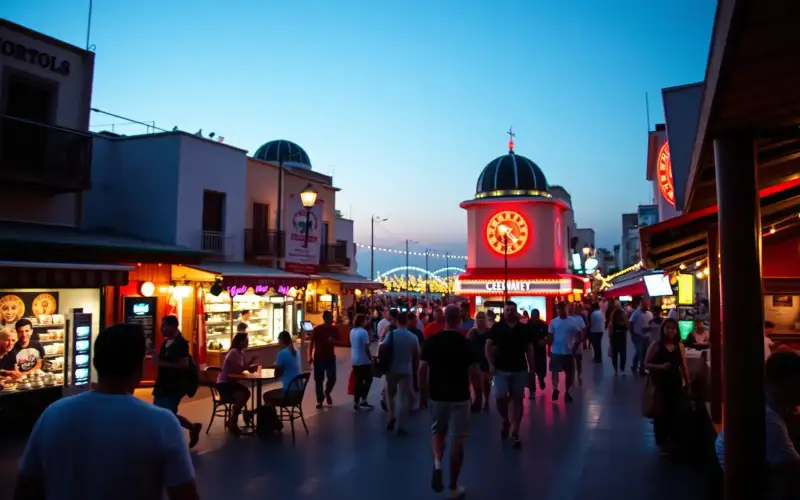
I mentioned this at the start. The promenade – from the fort south to the marina – has restaurants that exist solely to capture passing tourists. Laminated menus with pictures. Prices €8–€12 higher than the old town. Fish that's been frozen and reheated. They're not all bad, but they're not trying. Skip them entirely.
English-Language Menus Can Hide Quality Issues
This is specific but worth stating: restaurants with professional English menus printed on card stock are sometimes overcompensating. The best places in Larnaca often have handwritten specials, or menus that change daily. If everything is pre-printed and laminated, ask yourself why.
Portion Sizes Aren't Consistent
A grilled fish mains at one restaurant feeds one person comfortably. At another, it's sparse. There's no standardization. The meze model sidesteps this – you get multiple items – but if you're ordering single plates, you need local knowledge or luck.
Service Speed Varies Wildly
Cypriot service culture is relaxed. This is sometimes a feature (you're not rushed through your meal). Sometimes it's a bug (you wait forty minutes between courses). If you have a flight or time pressure, communicate it clearly upfront. Don't assume.
Vegetarian Options Exist But Aren't Abundant
Cypriot food is meat and fish-forward. Vegetarian meze is possible – halloumi, saganaki, grilled vegetables, legumes – but you're constructing your meal, not selecting from a dedicated section. Fine dining places like Estia handle this better. Budget tavernas? Ask what's available and be flexible.
Who It's For: Matching Budget to Restaurant
Solo Travellers
Eat at tavernas. You can sit at the bar, chat with staff, watch the kitchen. Most budget places welcome solo diners without fuss. Mid-range meze houses are trickier – meze is designed for sharing – but Psariko and Voula's both handle solo orders gracefully. Order fewer dishes, eat slowly.
Couples
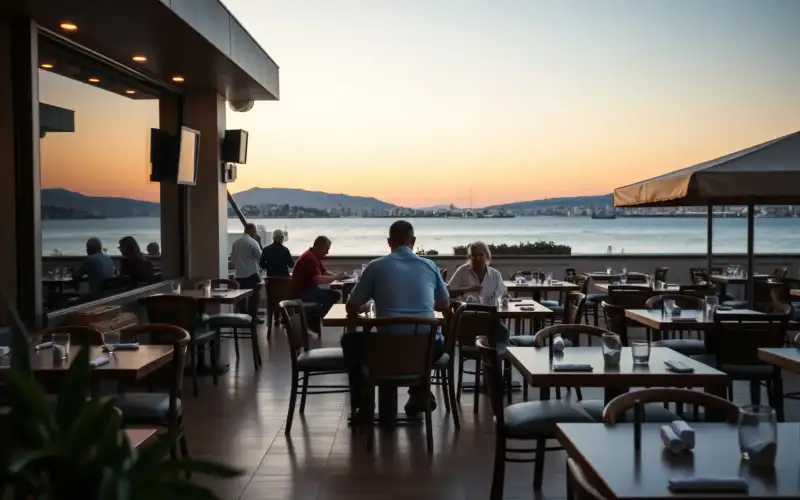
Mid-range meze is perfect. Two people, eight dishes, two hours, €50–€60. It's romantic without being stuffy. For special occasions, Estia or 1900. Budget option: waterfront taverna at sunset, grilled fish, house wine. Cheaper and often more memorable than fine dining.
Families with Children
Budget tavernas work best. Kids eat souvlaki or grilled chicken. Parents eat meze. No fuss, no pretence, staff are relaxed about noise. The old town tavernas – To Petrino, others – have been feeding families for decades. Mid-range places work too if kids aren't picky. Fine dining is impractical unless children are genuinely sophisticated eaters.
Divers Post-Zenobia Dives
You'll be hungry and tired. Get to Psariko or Voula's by early evening (before 8 PM) when you can still get a table without reservation. Order meze heavily weighted toward protein – grilled fish, octopus, keftedes. Eat, drink local wine, recover. Don't overthink it.
The Verdict: How to Eat Well in Larnaca
Three rules work consistently:
First, eat where locals eat. The old town – specifically streets radiating from Agios Lazaros – has the honest restaurants. These aren't quaint or picturesque necessarily. They're just real. To Petrino, Psariko, To Pefko – these places exist because they serve good food at fair prices, not because they're tourist attractions.
Second, meze is the answer to most questions. Want to eat well affordably? Meze. Want to try everything? Meze. Want to linger without being rushed? Meze. It's the model that actually works in Larnaca in 2026.
Third, ignore the seafront unless you're specifically there for the view. You'll pay more, eat worse, and leave feeling ripped off. The waterfront has maybe two decent places worth the premium. The rest are extractive.
Larnaca's restaurant scene isn't trying to compete with Limassol's flashiness or Paphos's tourist volume. It's quietly becoming a place where food actually matters – where a young chef opening a small restaurant in the old town can make a living, where a taverna family has survived forty years through consistency, where meze culture means you sit for two hours and taste fifteen things instead of scarfing one plate in twenty minutes.
That's the advantage. You're eating in a city that's still figuring out what it wants to be, which means prices haven't inflated past reason and quality hasn't been sacrificed for scale. Come for the beaches and the Zenobia. Stay for the food.
Comments (4 comments)