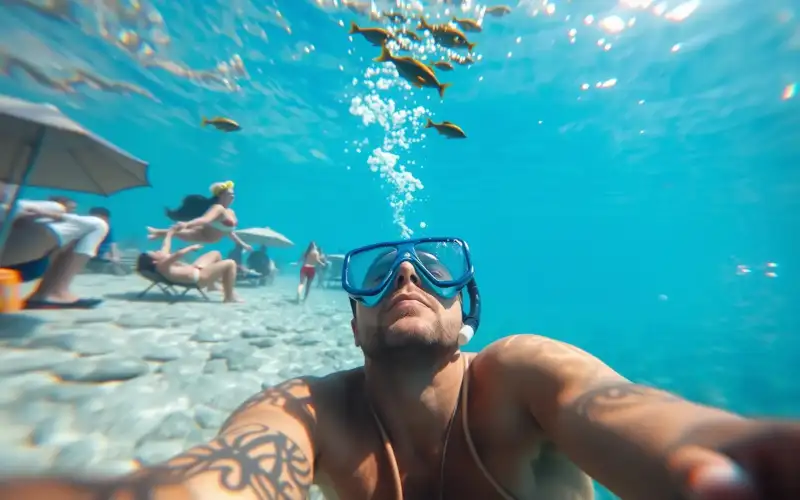
Last July, I watched a British couple wade into the shallows near Finikoudes with rented snorkels, and within five minutes they were pointing at an octopus wedged between rocks. The husband kept signalling to his wife in that frantic underwater way people do when they've spotted something alive for the first time. By the end of their holiday, they'd logged twelve snorkelling sessions across Larnaca's coastline and returned home with enough underwater photos to fill a coffee table book. That's the magic of summer snorkelling here—it's not remote, it's not exclusive, and it doesn't require technical certification. You just need a mask, fins, and a snorkel tube.
But here's the reality: not every beach in Larnaca offers the same experience. Some are murky with boat traffic. Others have strong currents or shallow, featureless bottoms. The best snorkelling happens in specific locations where the seabed composition, water clarity, and marine activity align. Summer 2026 brings predictable conditions—water temperatures between 25–28°C, light winds, and visibility often exceeding 15 metres on calm days. The challenge isn't finding water to snorkel in; it's knowing where to go for actual results.
Why Summer Snorkelling in Larnaca Works for British Travellers
Larnaca Airport sits less than 10 kilometres from the best snorkelling sites. That's not coincidental—it's one of the main reasons the resort has developed as a diving and water sports hub. You can land at 10 a.m., collect a hire car, and be in the water by noon. No four-hour transfers. No remote island logistics. Just straightforward Mediterranean snorkelling within 20 minutes of your accommodation.
The summer season—June through September—delivers reliable conditions. Water temperatures peak in August at around 28°C, making wetsuits optional if you're comfortable in your own skin. July and August do bring more swimmers and tour boats, but midweek mornings remain quiet. Spring and autumn offer better visibility, but summer offers the warmth that makes longer sessions enjoyable, especially for non-divers accustomed to British seasides.
The other advantage is accessibility. Unlike dive sites that require certification and boat transfers, snorkelling happens from beaches and shallow reefs you can reach on foot or by short swims. Finikoudes Beach, the main tourist strip, has snorkelling opportunities within metres of the sand. Mackenzie Beach, south of the airport, offers calmer conditions and better marine life sightings. Smaller coves near Pervolia and Cape Kiti extend your options without driving more than 20 kilometres.
The Main Problem: Where to Actually Snorkel Without Wasting Time
Most British travellers arrive with vague ideas:
Comments (4 comments)