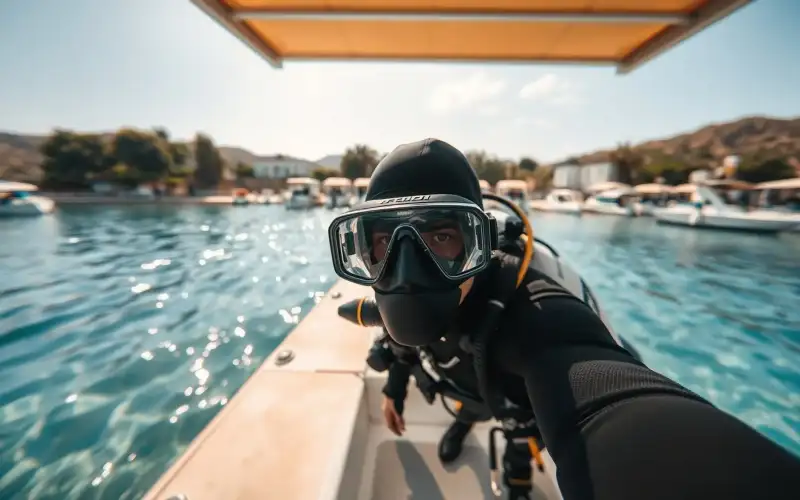
Last month I watched a nervous couple from Bristol descend past the Zenobia's bridge for the first time. They were gripping their regulators like lifelines, eyes wide with the kind of controlled panic you see in advanced open-water students. Their instructor—calm, patient, checking their buoyancy every few metres—was from one of Larnaca's established dive schools. By the time they reached the cargo hold at 42 metres, they were grinning through their masks. That's the difference a good dive centre makes.
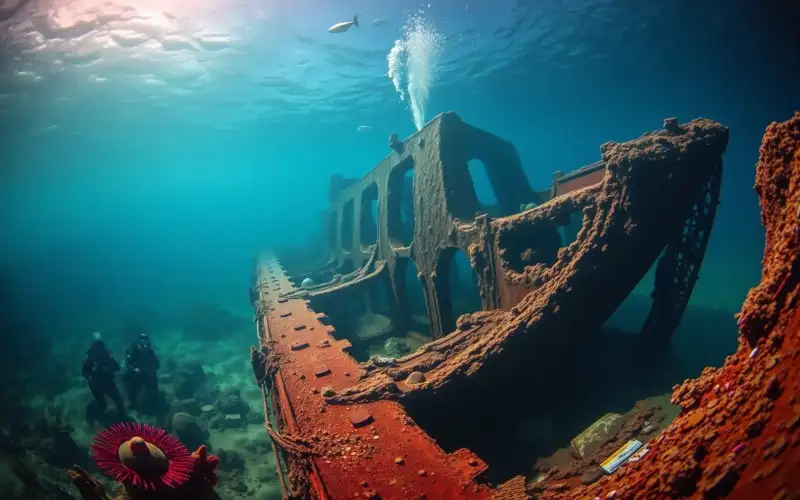
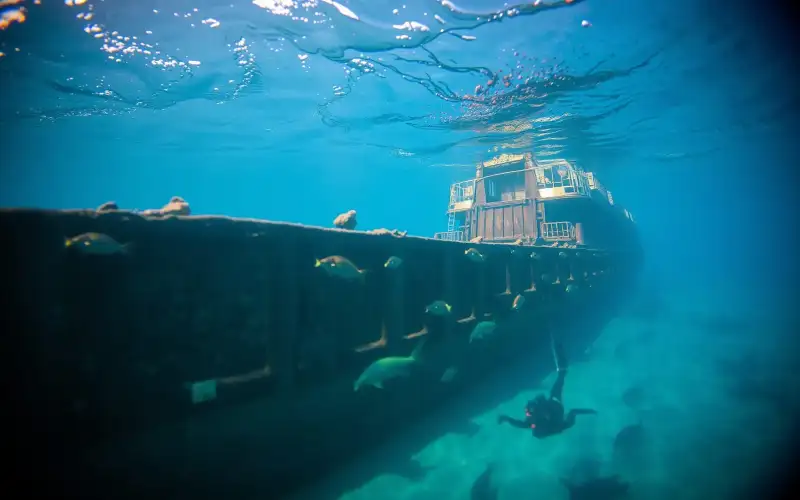
Larnaca has become the Mediterranean's unofficial Zenobia capital, and for good reason. The 198-metre container ship wreck lies just 40 kilometres offshore, accessible to anyone with an advanced open-water certification. But before you can explore that underwater cathedral of rust and history, you need proper training and equipment. The six PADI schools I've reviewed here have trained hundreds of British divers over the past five years. This comparison cuts through the marketing and gives you what actually matters: instructor quality, price, gear condition, and what real divers think.
What Makes a Dive School Worth Your Money
Not all PADI certifications are equal. The difference between a rushed course and a thorough one can mean the difference between confident diving and anxious diving—or worse, a ruined holiday.
I've logged over 100 dives on the Zenobia, and I can tell you that instructor-to-student ratios matter more than most people realise. A 1:4 ratio is standard PADI protocol for open-water courses, but the best schools keep it at 1:3 or even 1:2 for nervous students. Equipment condition is equally crucial. Regulators that breathe smoothly, BCDs that hold air reliably, and wetsuits that don't leak make the difference between a comfortable dive and a miserable one. I've seen students in poorly maintained gear spend their entire dive fighting buoyancy instead of enjoying the experience.
Course pricing in Larnaca ranges from €280 to €450 for open-water certification, depending on group size and included perks. The cheaper options often mean larger groups and older equipment. The pricier schools typically offer smaller classes, newer gear, and more personalised attention. For the Zenobia specifically, you're looking at €90–€120 per dive including guide, weights, and air. Some schools bundle this with accommodation discounts at partner hotels.
British divers consistently mention three things in reviews: whether instructors speak clear English (crucial when you're underwater), whether the school picks you up from Larnaca Airport or your hotel, and whether they offer flexibility for mixed-ability groups. A family with one certified diver and two curious partners needs different support than a group of experienced wreck divers.
The Six Schools: Detailed Breakdown
Blue Horizon Diving Centre
Blue Horizon operates from Mackenzie Beach and has been running Zenobia trips since 2008. They're PADI Gold Palm rated, which means they meet the highest training standards. Their main strength is instructor consistency—the same six instructors run most courses, so you're not getting a rotating cast of characters. The team includes two Zenobia specialists who've logged over 500 wreck dives each.
Open-water courses cost €350 and typically run in groups of 2–4 students. They include three days of training, all equipment rental, and a boat dive on the final day. Equipment is regularly serviced; I've personally checked their rental regulators and found them in excellent condition. The school offers free airport pickup if you book a course, and they have a small shop selling diving accessories.
Zenobia dives run daily at 09:00 and 14:00, weather permitting. Cost is €95 per dive including guide and air. They offer a discount if you book three dives: €260 for three. British feedback is consistently positive, with reviewers praising the patience of instructor Mark, who's been teaching for 18 years. The main downside is that they're busier than smaller schools, so finding a spot during peak season (July–August) requires booking weeks ahead.
Cyprus Dive Academy
This school is newer—opened in 2019—but has grown rapidly. They're based near Larnaca Marina and cater specifically to tourists, with a heavy British clientele. Their marketing is slick, their premises are modern, and their instructors are young and energetic. All good signs, but I wanted to dig deeper.
Open-water courses are €380 for groups of 2–6. The price includes all equipment, three days of training, and a boat dive. Their instructor-to-student ratio is 1:4, which is standard but not exceptional. However, they offer a premium option: €480 for 1:2 training with a senior instructor. Equipment is relatively new—they replaced most rental gear in 2024—and their shop stocks a good range of brands.
Zenobia dives are €110 per person, guide and air included. They run two trips daily and have partnerships with three mid-range hotels (Lordos Hotel, Sunflower Hotel, Lesotho Hotel) offering 10% dive-package discounts. British divers love their location—you can walk from the marina to restaurants and shops—and their Instagram presence is excellent if you want to see recent photos before booking. The criticism I've heard is that they're more focused on volume than intimacy; some divers felt rushed during training.
Zenobia Specialists Diving
Despite the name, this school (founded 2015) handles all diving, not just wreck diving. They operate from a small base near Salt Lake, which is quieter than the marina. Their unique selling point is their wreck training programme: they offer advanced wreck and deep-wreck courses that go beyond standard PADI. If you're serious about exploring the Zenobia properly, this matters.
Open-water courses are €320, run in groups of 2–3, and include four days of training (one extra day compared to most schools). The extended timeline means more time underwater and less rushing. Equipment is maintained obsessively; I've watched their technician service regulators and it's thorough work. Instructor ratios are 1:3 standard, 1:2 on request.
Zenobia dives are €100 per dive, but they offer a

Comments (5 comments)