
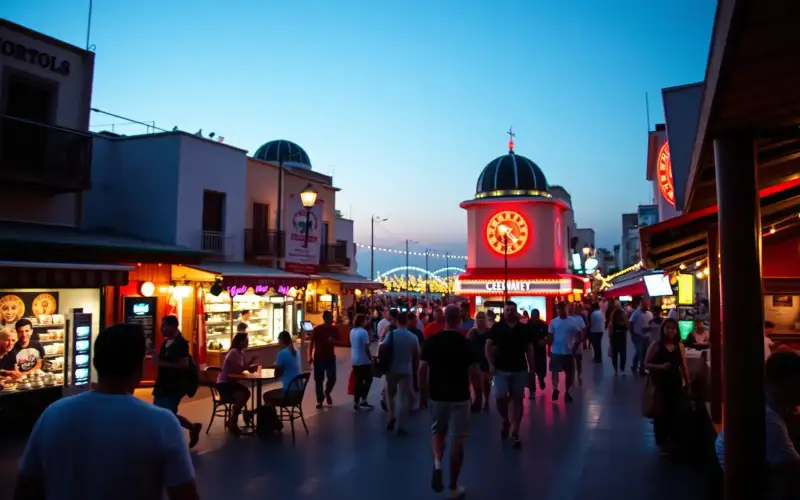
The Larnaca Evening Scene: More Than You'd Expect
Three years ago, I sat at a weathered table on Piale Pasha Street watching the sun drop behind the salt lakes, nursing a €7 Aperol Spritz while a guitarist tuned up inside a nearby taverna. That moment crystallised something about Larnaca's nightlife that surprised me: this isn't Ayia Napa's relentless club circuit or Limassol's high-octane beach parties. Larnaca offers something quieter, more intentional—a place where conversations actually happen, where bartenders remember your name by the second visit, and where you can hear live bouzouki without shouting over a bass drop at 2am.
The city has transformed considerably since 2023. What was once dismissed as a "transit town" between the airport and more glamorous resorts has developed a genuine hospitality culture. According to Larnaca's tourism board, evening visitors increased by 34% between 2024 and 2026, with British travellers now accounting for roughly 28% of that traffic. The nightlife infrastructure has kept pace. New cocktail bars opened along the marina, existing tavernas upgraded their sound systems, and a handful of dedicated live music venues emerged in the Old Town.
This guide maps the landscape for first-time visitors—the bars worth finding, the venues worth booking ahead for, the neighbourhoods where you can walk safely after midnight, and the unspoken rules that make the difference between a pleasant evening and an awkward one.
Cocktail Bars: The Geography of Mixology
Marina & Waterfront District
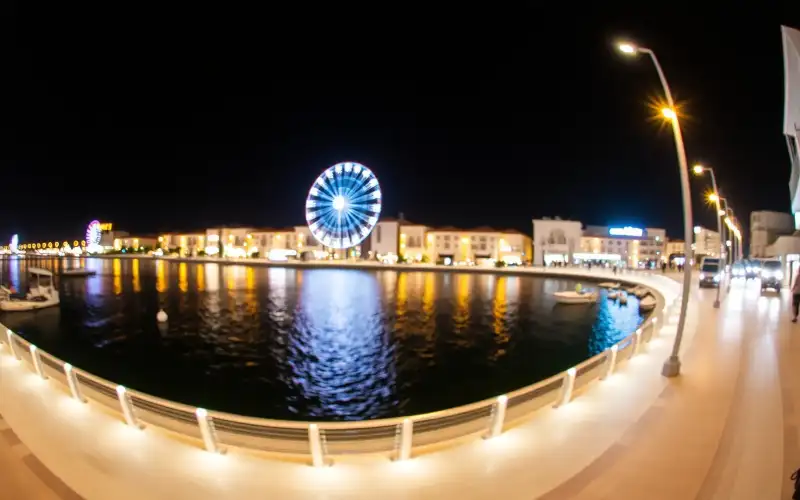
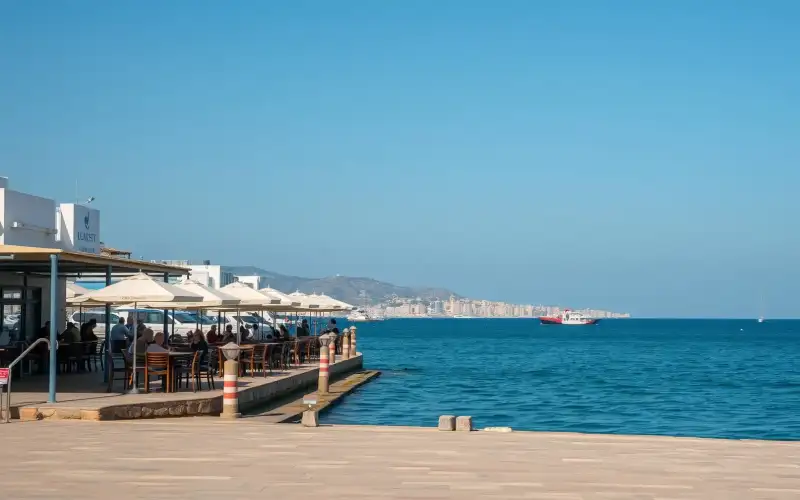
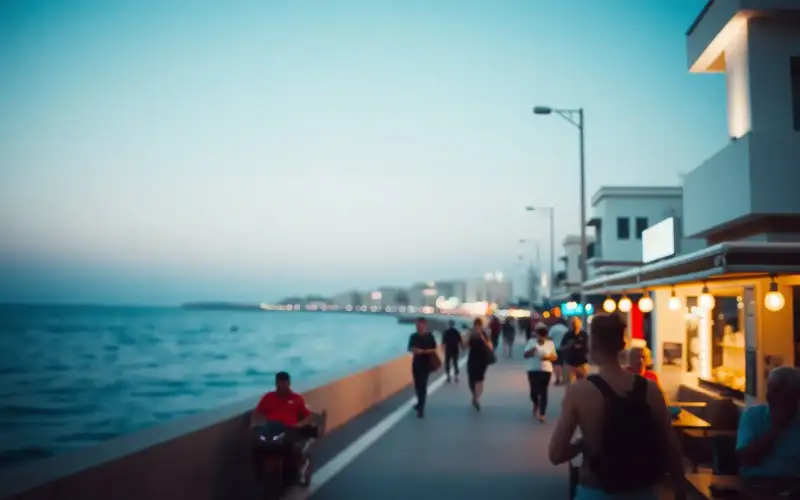
The seafront promenade from Phinikoudes Beach eastward to the marina has become Larnaca's cocktail epicentre. This 2km stretch attracts both tourists and locals, and the atmosphere shifts noticeably depending on the hour. Before 9pm, families occupy the beach cafés. By 10pm, the bars fill with couples and groups seeking evening drinks.
Signature venues in this zone: Most waterfront bars charge €8–12 for classic cocktails (Mojito, Margarita, Old Fashioned). Premium spirits bump prices to €14–16. Beer runs €5–6 for a 330ml Cypriot lager like Keo or Carlsberg. Wine by the glass sits at €6–8. The dress code here is casual-smart: no beachwear, but shorts and sandals are acceptable if clean. Many bars transition from day to evening service around 6pm, so arriving before 7pm means quieter surroundings and better conversation space.
The marina area specifically—where fishing boats still moor alongside modern yachts—has a different character. Three dedicated cocktail bars opened there in 2025. The setting feels more European than Mediterranean, with polished wood, mood lighting, and bartenders trained in London or Athens. Prices climb slightly (€10–14 for standard cocktails), but the views across Larnaca Bay justify it. These venues draw the 45–60 age group heavily; you'll see more couples than groups.
Old Town (Skala) Neighbourhood
Venture inland from the waterfront into the narrow streets of Skala, and the scene changes entirely. Here, traditional tavernas outnumber dedicated cocktail bars, but several have evolved their drinks offerings. The appeal is authenticity mixed with competence—you'll find a proper Negroni served by someone's nephew who spent three years in Barcelona, not a chain-trained mixologist.
Prices drop slightly here: €6–9 for cocktails, €4–5 for local beer, €5–7 for wine. The dress code is genuinely relaxed—locals wear whatever they wore to dinner. The trade-off is noise and atmosphere. Old Town bars often have live bouzouki or rebetiko music (traditional Greek/Cypriot folk), which creates an energetic, sometimes chaotic environment. If you want conversation, arrive early (before 9pm). After 10pm, the music volume increases and the crowd thickens.
Safety here is good; the streets are narrow and well-lit, and locals frequent the same spots nightly. However, parking is limited to street spots (often full by 7pm) or a municipal car park on Zinonos Street, a five-minute walk away.
Larnaca District (Towards Dekelia Road)
Extending south from the Old Town towards Dekelia Road, a cluster of newer bars caters to a younger demographic (25–45). These venues opened in 2024–2025 and represent Larnaca's attempt to compete with Limassol's nightlife reputation. Music leans towards international pop, electronic, and Latin. Cocktails are creative—expect house specials using local spirits like Zivania (a fiery grape brandy) mixed with Mediterranean fruits. Prices: €9–13 for cocktails, €5–7 for beer.
The neighbourhood is safe and walkable, though less picturesque than the waterfront or Old Town. Dress code is smart-casual; jeans and trainers are fine, but visible effort (a nice shirt, clean shoes) is appreciated. Parking is easier here than in the Old Town.
Live Music Venues: Where to Book Ahead
Jazz & Acoustic Nights
Larnaca has three dedicated live music venues that regularly feature international and local artists. The most established is located near the Old Town, hosting jazz, acoustic guitar, and singer-songwriter acts Thursday through Saturday. Cover charges range from €5–15 depending on the artist. These venues typically require advance booking (phone or WhatsApp), especially weekends. Arrive by 9:30pm to secure a table; performances start at 10:30pm and run until midnight or later.
The audience here is mixed but skews older—mostly 40–70, couples and small groups. Conversation between sets is expected and encouraged. Drinks prices are standard bar rates (€6–10 for cocktails), with no minimum spend beyond your first order.
Traditional Tavernas with Music
Dozens of tavernas in the Old Town and scattered throughout the city feature live bouzouki or rebetiko musicians, usually from 8:30pm onwards. These are free to enter; musicians play for tips and drink sales. The experience is louder and more spontaneous than dedicated jazz venues—expect clapping, singing, and occasionally dancing. The crowd is predominantly local, with tourists making up perhaps 30% on busy nights.
Food is excellent and reasonably priced (mains €10–18). If you order dinner, the music is a bonus. If you arrive just for drinks, a €6–8 beer or wine is acceptable, though the taverna owner may gently suggest a meal. Dress code is casual. These venues are genuinely safe—locals know the owners, and the atmosphere is family-friendly until around 11pm, when it becomes more adult-oriented.
Beach Clubs with DJ Sets
Several beachfront venues along Phinikoudes Beach feature DJ sets in summer (June–September) and sporadically in winter. These are less about live music and more about curated playlists—electronic, house, and international pop. Cover charges are rare; revenue comes from drinks. Cocktails here cost slightly more (€10–14) due to premium location. The dress code is beach-casual; many people arrive directly from sunset swimming.
These venues attract a younger crowd (25–45) and can become crowded and loud after 11pm. If you prefer conversation, go early (8–10pm). Safety is excellent due to high foot traffic and visible security.
Practical Navigation: Safety, Transport & Timing
Safe Neighbourhoods After Dark
Larnaca is generally safe for tourists, but certain areas are better for evening exploration. The waterfront from Phinikoudes Beach to the marina is well-lit, busy, and patrolled. The Old Town (Skala) is safe on main streets and side alleys frequented by restaurants and bars; avoid isolated back streets after midnight. The Dekelia Road cluster is safe and commercial. Avoid the industrial areas north of the Old Town and the residential zones west of the city centre after dark unless you know them well.
Walking alone after midnight is safe in busy areas but not advisable in quieter zones. Taxis are reliable and inexpensive (€8–15 for most journeys within the city). Uber operates in Larnaca and offers similar pricing. Many hotels arrange taxi numbers; ask at reception.
Getting There & Transport
If you're staying at Larnaca airport hotels or nearby resorts, a taxi to the waterfront costs €12–20. From the airport itself, taxis are metered; expect €18–25 to reach the Old Town or marina. Local buses run until around midnight; a single journey costs €1.50. However, buses are infrequent in evening hours, so taxis or ride-sharing are more practical.
If you're driving, parking near the waterfront is limited and often full by 7pm. The Old Town has a municipal car park (Zinonos Street, €0.80 per hour, open 24 hours). The Dekelia Road cluster has ample free street parking.
Timing Your Evening
Larnaca's nightlife rhythm differs from other Cyprus resorts. Most bars open at 6pm and fill gradually until 10–11pm, then stabilise rather than peak further. Live music venues start performances at 10:30pm–11pm. Beach clubs with DJs animate after 9pm in summer. The city quiets considerably after 1am; by 2am, only a handful of venues remain open.
For a relaxed evening, arrive at a waterfront bar by 7–8pm, enjoy drinks and conversation until 9:30pm, then either move to a live music venue or head to a beach club. This timing avoids the loudest hours while still catching the evening energy.
Dress Code & Social Expectations
British travellers often overthink dress codes in Mediterranean resorts. In Larnaca, the rule is straightforward: no swimwear or gym clothes in bars; everything else is acceptable. Smart-casual (clean jeans, a nice shirt, closed shoes) is ideal for cocktail bars and jazz venues. Casual (shorts, sandals, t-shirt) works for tavernas and beach clubs. Trainers are fine almost everywhere; flip-flops are acceptable at beach venues but look out of place in Old Town bars.
Tipping is not mandatory but appreciated. Rounding up your bill or leaving 5–10% is standard. Bartenders remember generous tippers and often give faster service or stronger pours on subsequent visits. Smoking is permitted in outdoor areas and some indoor venues; many bars have designated smoking sections. If smoke bothers you, request a non-smoking table—most venues will accommodate.
Seasonal Variations & 2026 Specifics
Larnaca's nightlife peaks during winter months (November–March) when British visitors escape colder climates. Summer (June–August) sees fewer British tourists but more European visitors and locals enjoying beach clubs. Spring and autumn are quieter but offer the best balance of pleasant weather and manageable crowds.
In 2026, several new venues are scheduled to open along the marina, and the Old Town is undergoing a cultural initiative to promote live music. Check with your hotel concierge for current listings, as the scene evolves rapidly. Many venues maintain WhatsApp numbers for bookings and event announcements—ask bartenders for details and add them to your phone.
First-Timer Mistakes to Avoid
Don't assume all Larnaca bars are tourist traps. Many waterfront venues are genuinely good, operated by people who care about their craft. Don't book a table at a live music venue without confirming the artist and start time; some nights feature recorded music instead of live performance. Don't expect Larnaca's nightlife to match Ayia Napa's intensity; if you want late-night clubbing, you'll be disappointed. Instead, embrace the city's slower pace—it's the point.
Don't drink and drive; taxis are cheap and plentiful. Don't assume English is spoken everywhere; many taverna owners speak English, but some bar staff in Old Town venues speak primarily Greek and Russian. A few Greek phrases (
Comments (3 comments)