

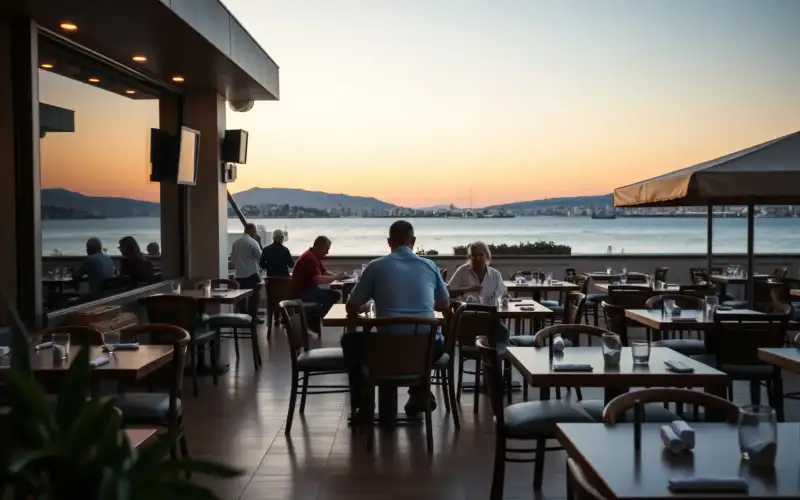
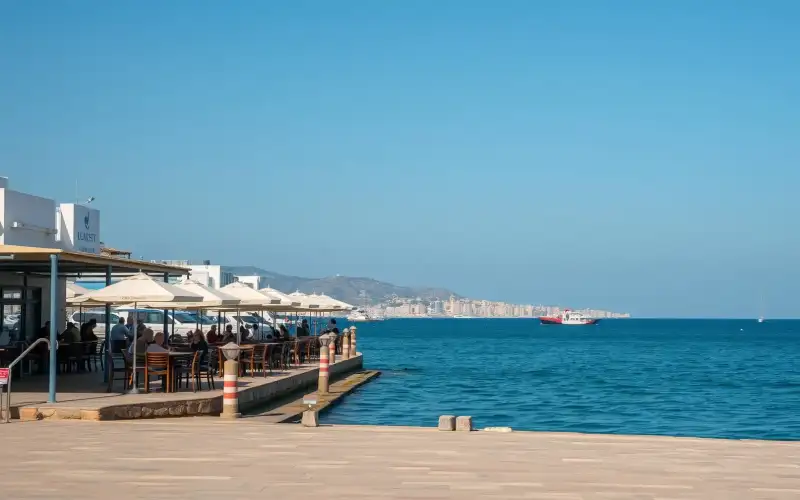
I watched the sun dip behind the salt lake last September, nursing an ouzo at one of Finikoudes' older establishments, when a local woman at the next table turned and said, "You come back every year?" I'd been visiting for five years by then. She smiled. "Then you know the good ones don't change." She was right. The tavernas that line this palm-studded promenade—stretching roughly two kilometres along Larnaca's seafront—operate on a different rhythm than the tourist machine. The same families run them. The same fishermen deliver to the same kitchens. The same regulars occupy the same tables at the same hours.
What's shifted since my first visit is the competition. New venues have opened, old ones have sharpened their game, and the casual visitor now has genuine choice beyond the waterfront's obvious anchors. This roundup covers eight tavernas I've tested repeatedly across seasons—places where you'll eat well without pretension, where your bill won't shock you, and where a reservation actually matters.
Traditional Meze Houses: The Old Guard
Psaropoulos
Psaropoulos sits roughly midway along Finikoudes, identifiable by its blue-and-white awning and the permanent queue of Greek Cypriot families outside. This is not a restaurant that chases trends. The menu hasn't fundamentally changed in fifteen years. That's not a weakness—it's the point.
The meze spread here runs to sixteen or eighteen small plates if you order the full house version, priced at €28 per person as of January 2026. You'll get saganaki (fried cheese), dolmades, grilled octopus, marinated anchovies, tzatziki, melitzanosalata, and rotating seasonal vegetables. The grilled fish—usually red snapper or sea bream—arrives whole, split down the spine, dressed only with lemon and olive oil. Order it without hesitation. A bottle of local white wine (Ktima Geroleme or similar) costs €16–22. Expect to spend €35–45 per head for a full meal with wine.
The kitchen operates at a deliberate pace. Don't arrive hungry at 7 p.m. and expect to eat by 7:45. Cypriot dining culture doesn't work that way. Arrive at 8 p.m., order an ouzo and some saganaki, and settle in. The wait becomes part of the experience. Reservations are essential on weekends from June to September; off-season, walk-ins rarely wait more than ten minutes.
Militzis
Militzis occupies a corner plot near the old fort, with tables spilling directly onto the promenade. The restaurant has operated for thirty-two years under the same ownership, and the dining room feels less polished than Psaropoulos—older chairs, simpler décor—but the food is equally solid and often more adventurous.
The meze here includes some items you won't find elsewhere: grilled halloumi with honey, raw clams in winter (when available), and a standout dish of grilled sea urchin roe if you're visiting November through February. The standard meze runs €26 per person; the deluxe version with fish courses climbs to €35. A whole grilled fish—choose from the display case—typically costs €18–28 depending on size and species. Retsina or local white wine runs €14–18 per bottle.
Militzis attracts fewer British tourists than Psaropoulos, which means you'll share tables with Cypriot professionals, retired couples, and the occasional diver back from a morning on the Zenobia wreck. The noise level is higher, the atmosphere more lived-in. Booking is wise Friday through Sunday year-round; weekday walk-ins are usually accommodated.
Modern Mediterranean: The New Wave
Piacere
Piacere opened in 2023 at the northern end of Finikoudes, in a renovated building that once housed a fish market. The owner, Yiorgos, trained in Athens and spent three years working in a Michelin-starred kitchen before returning to Larnaca. The restaurant represents a deliberate middle ground: modern plating and technique, but rooted in Cypriot ingredients and local suppliers.
The menu changes seasonally, but expect dishes like grilled octopus with charred citrus and wild greens (€16), sea bream crudo with Cypriot olive oil and capers (€14), and a standout slow-braised lamb shoulder with stewed tomatoes and pasta (€22). The meze selection is smaller and more curated than the traditional houses—perhaps eight items rather than eighteen—but each is executed with visible care. A three-course meal with wine runs €50–65 per person.
The dining room is minimalist: pale stone, large windows, a semi-open kitchen. It appeals to younger Cypriots, visiting professionals, and British couples seeking something less traditional than the old guard. The pace is faster than Psaropoulos. You'll eat dinner in ninety minutes if you wish, though lingering is equally welcome. Reservations are essential, particularly Thursday through Saturday. The restaurant closes Mondays and Tuesdays.
Thalassa
Thalassa occupies a converted warehouse space with soaring ceilings and a dramatic seafront view. It opened in 2024 and represents a more upmarket positioning than anything else on this list. The kitchen focuses on contemporary Mediterranean cooking with occasional Asian influences—think miso-glazed fish, sesame-crusted calamari, and ginger-infused broths.
The menu is à la carte only, with no meze selection. Starters run €12–18; mains €24–36. A whole grilled fish, prepared to order, costs €32–48 depending on the catch. Wine markups are steeper here than elsewhere on Finikoudes—expect to pay €28–45 for a decent bottle. A full dinner for two typically reaches €120–160 before drinks.
The restaurant attracts a mixed crowd: visiting British couples with deeper pockets, Cypriot business entertaining, and tourists seeking a more formal dining experience. The service is attentive, sometimes to the point of hovering. The food is very good, occasionally excellent. Reservations are essential every night except Mondays (closed). Dress code is smart casual; trainers are frowned upon.
Fish Specialists and Working Tavernas
Pelagos
Pelagos sits at the quieter southern end of Finikoudes, away from the main foot traffic. The restaurant is run by two brothers, Nikos and Stavros, who own their own small fishing boat. This matters. The fish here is often still in the water at dawn, gutted and iced by mid-morning, cooked by evening. The difference is noticeable.
The menu is simple: a handful of meze dishes, fresh fish by weight (typically €18–28 per kilo, depending on species), grilled prawns when available, and perhaps one meat dish for non-fish eaters. There's no wine list to speak of—you order house white or red, served in a carafe at €12 per litre. The dining room is plain, with plastic chairs and paper tablecloths. This is a working restaurant, not a destination venue.
Yet Pelagos consistently delivers some of the best-cooked fish on the promenade. The kitchen doesn't overcomplicate things: salt, lemon, olive oil, heat. A whole sea bream, split and grilled, arrives perfectly cooked, the flesh moist, the skin crisp. The meze are adequate but unremarkable—saganaki, some beans, a simple horta (boiled greens). You come for the fish, not the variety. A full meal for two runs €45–60 including house wine. Reservations are rarely necessary; the restaurant relies on walk-in trade and regulars.
Kalamies
Kalamies is the oldest working taverna on Finikoudes, operating since 1978 under the same family. The dining room is cramped, with tables wedged close together and a kitchen visible through an open hatch. The décor is deliberately retro—old fishing nets, faded photographs, a vintage cash register. It feels less like a museum piece and more like a place that simply hasn't bothered to update.
The kitchen specializes in squid and octopus, grilled or stewed. The grilled squid (kalamari) is outstanding: tender, smoky, dressed with lemon and olive oil. The stewed octopus in tomato sauce, served with pasta, is equally strong. Beyond cephalopods, the meze are standard but well-executed. A full meze for two costs €35–45. Grilled squid or octopus adds €12–16 per portion. House wine is €11 per litre. You'll spend €50–70 for two people with wine.
Kalamies attracts locals, regulars, and the occasional tourist who stumbles in and decides to stay. The noise level is high, the service brisk but friendly. The owner, now in his seventies, often works the dining room himself. Reservations are pointless—there's no phone booking system. You arrive, you wait if necessary, you eat. It's part of the charm.
Comparison and Booking Strategy
| Taverna | Style | Price per Head | Booking Essential? | Best For |
|---|---|---|---|---|
| Psaropoulos | Traditional Meze | €35–45 | Yes (weekends) | Classic Cypriot experience |
| Militzis | Traditional Meze | €30–40 | Yes (weekends) | Local atmosphere, adventurous meze |
| Piacere | Modern Mediterranean | €50–65 | Yes (always) | Contemporary dining, seasonal menu |
| Thalassa | Upmarket Mediterranean | €60–80 | Yes (always) | Special occasion, formal dining |
| Pelagos | Fish Specialist | €45–60 | No | Fresh fish, no-frills atmosphere |
| Kalamies | Working Taverna | €50–70 | No | Authentic local experience, squid/octopus |
Practical Reservation and Dining Tips
Most Finikoudes tavernas don't maintain formal booking systems. Psaropoulos, Militzis, Piacere, and Thalassa accept phone reservations; Pelagos and Kalamies operate walk-in only. For the former group, call 24 hours ahead during peak season (June–September). Off-season, same-day bookings usually work.
Timing matters. Cypriot dinner service begins around 8 p.m.; restaurants fill by 8:30 p.m. and remain busy until 11 p.m. If you prefer quieter dining, eat between 7–7:45 p.m. or after 11 p.m. British visitors often arrive at 6:30 p.m., expecting immediate seating; you'll wait, and the kitchen may not be fully staffed yet.
Payment is cash or card at all six venues. Tipping isn't obligatory but 5–10% is customary if service was good. Splitting bills is common; servers will happily separate checks.
Dress code is casual at Psaropoulos, Militzis, Pelagos, and Kalamies. Piacere and Thalassa expect smart casual—no swimwear, no very casual trainers. Most visitors eat in whatever they wore during the day without issue.
"The best meal I had in Larnaca wasn't at the fanciest place. It was at Kalamies, squeezed between a retired fisherman and his grandson, eating grilled squid that tasted like the sea. That's what Finikoudes does best."
Seasonal Considerations and Final Thoughts
Winter (November–March) brings different fish: sea urchin, raw clams, smaller but sweeter varieties of bream and bass. Meze portions often increase as restaurants cater to fewer but more committed diners. Summer brings tourists, higher prices, and longer waits. Spring and autumn are ideal—moderate temperatures, manageable crowds, and full menus.
All six restaurants source locally whenever possible. Seasonal availability shapes the menu far more than chef preference. If you arrive in July expecting sea urchin, you'll be disappointed. If you visit in February and see it on the specials board, order without hesitation.
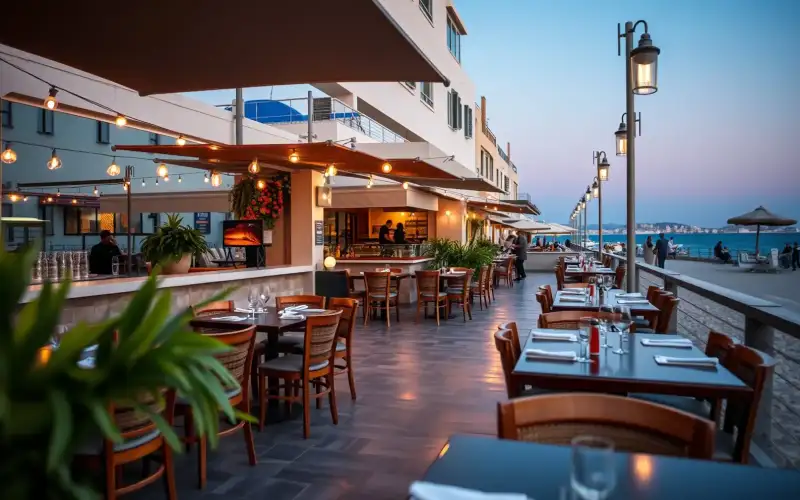
The Finikoudes promenade has transformed significantly since the early 2000s, when it was primarily a local hangout. Today it balances tourist appeal with authentic Cypriot dining culture. These six tavernas represent the best of that balance—places where you'll eat well, spend a reasonable amount, and leave feeling like you've experienced something genuine rather than staged for visitors. Return visits are the real test, and I've returned to all of them multiple times. That consistency, across seasons and years, is what earns a place on this list.
Comments (5 comments)