Last March, I watched a British couple arrive at Larnaca Airport in February expecting warm beach weather. They'd checked the calendar but not the thermometer. By noon they were in jumpers, the sea was 15°C, and they spent their first afternoon in the airport café rather than on Mackenzie Beach. That mistake costs travellers hundreds in wasted bookings every year. The difference between visiting Larnaca in March and May isn't just a few degrees—it's the difference between a disappointing trip and the holiday you imagined.
After twenty-five years managing passenger flows through this airport, I've seen every weather pattern and its impact on traveller satisfaction. The city's climate is predictable, reliable, and dramatically seasonal. Getting it right means the difference between swimming in crystalline water and watching it from a café. This guide breaks down every month so you can choose your dates with real data, not guesses.
Overview: Larnaca's Climate Patterns
Larnaca sits on Cyprus's southeast coast, 35 kilometres south of the Troodos Mountains. The sea moderates temperatures year-round, but the inland plateau behind the city gets significantly hotter. You'll notice this immediately: the airport is warmer than the beach by 2–3 degrees because it sits inland.
The city experiences a classic Mediterranean climate with a hard split between seasons. Summer runs May through September and is hot, dry and virtually rainless. Winter runs November through March and brings occasional rain, cooler temperatures, and rough seas. Spring and autumn are transition zones where weather can shift daily.
Sea temperature matters more than air temperature for beach holidays. The Mediterranean around Larnaca reaches 28°C in August but drops to 15°C by February. That's the difference between comfortable swimming and needing a wetsuit. Most British visitors find anything below 18°C uncomfortable for more than a few minutes.
Rainfall is sparse but concentrated. The city averages 300mm annually—less than London—but November through March sees most of it. A single rainy day in January can dump 30mm; June through September sees almost none. Wind patterns shift too: summer brings light breezes from the north, winter brings occasional gales from the west.
January: Cold Seas, Empty Beaches
January is the coldest month. Daytime temperatures average 16–17°C; nights drop to 8–9°C. The sea sits at 15–16°C. Rainfall averages 60mm spread across 8–10 days, usually short showers rather than all-day downpours. Tourist numbers drop sharply after New Year; by mid-January, Larnaca feels genuinely quiet.
Water and Swimming
Don't plan to swim. The sea is too cold for most people without a 3mm wetsuit. Mackenzie Beach and Phinikoudes are empty of swimmers, though hardy locals and visiting divers appear regularly. If you're visiting the Zenobia wreck (the 1979 Swedish ferry sunk 40 metres offshore), January water visibility is excellent—typically 20–25 metres—because winter storms churn sediment away and cold water carries less plankton. Dive operators run regular trips; expect water temperatures of 15°C and strong currents.
Crowds and Practicality
Hotels drop rates by 30–40% in January. The airport handles roughly 200,000 passengers monthly (compared to 800,000 in July), so queues are minimal. Restaurants stay open but many beach bars close. Sightseeing conditions are actually good: cooler temperatures mean you won't overheat walking around Larnaca Old Town or visiting the Church of Saint Lazarus. Rain rarely lasts all day. Pack layers and a waterproof jacket.
February: Slightly Warmer, Still Wet
February creeps slightly warmer—daytime highs reach 17–18°C, nights 9–10°C. The sea remains at 15–16°C. Rainfall peaks this month at around 70mm, typically falling in 9–10 days. Wind can be strong; February storms occasionally close the airport for an hour or two, though flights rarely cancel entirely.
What February Offers
This is the month when Larnaca's winter character shows itself. Almond blossoms appear in the surrounding countryside (though not in the city centre). If you're interested in local agriculture or want to explore villages inland—Kiti, Tersefanou, Voroklini—February is surprisingly pleasant for walking. The airport still handles only 250,000 passengers, so it's quiet. Hotel rates remain low.
Swimming is still not viable for most visitors. Divers continue to operate; February offers good visibility but challenging conditions with occasional strong currents and surge. Book with experienced operators only.
Sightseeing and Indoor Activities
February suits cultural visits. The Larnaca District Archaeological Museum, housed in a 19th-century mansion, is comfortable to explore without summer heat. The Pierides Museum (private collection of Cypriot antiquities) opens daily. Indoor cafés and restaurants fill with locals; this is genuine Cypriot winter life, not tourist season.
March: Spring Arrives, Sea Still Cold
March marks the transition. Daytime temperatures rise to 19–21°C; nights reach 11–12°C. The sea warms to 16–17°C—still too cold for most swimmers but improving. Rainfall drops to 40mm over 6–7 days. Sunshine increases noticeably; you'll see more blue-sky days than in January or February.
Swimming Possibility
Only determined swimmers or those with wetsuits should enter the water. The psychological barrier at 17°C is real; most people find it uncomfortable. However, March marks the start of the season for serious divers. Water clarity remains excellent, and the Zenobia wreck becomes genuinely accessible. Dive schools report good conditions and increasing bookings from Easter holiday makers.
Beach Conditions
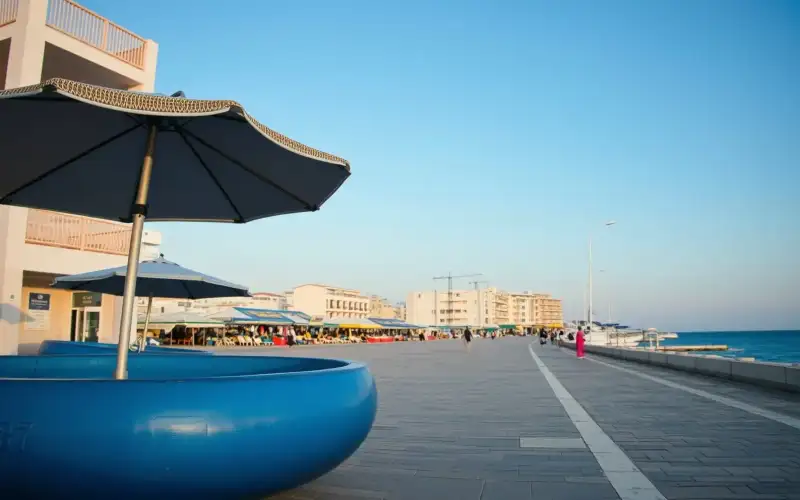
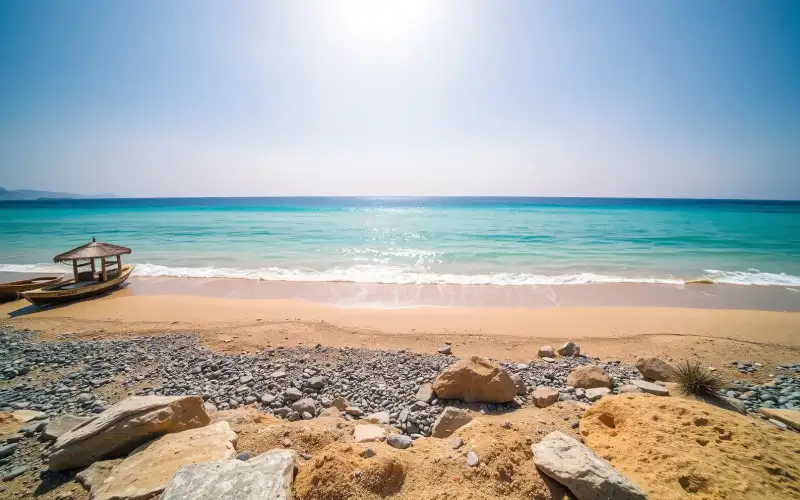
Beaches begin to see visitors, though not crowds. Phinikoudes Beach (the main urban beach, 500 metres of sand directly in front of Larnaca Old Town) opens sunbed rental facilities by late March. Prices are low—expect €5–8 per bed compared to €15+ in summer. The beach bar scene restarts. Mackenzie Beach (2km east, quieter and sandier) becomes accessible without feeling empty.
Tourist Numbers and Practicality
March passenger numbers climb to 350,000–400,000 as Easter holidays approach. Hotels raise rates 10–20% but remain cheaper than summer. Weather is unpredictable: you might get a warm, sunny day followed by rain and 15°C temperatures. Pack layers and don't commit your entire holiday to beach time.
April: Warm Days, Swimmable Seas
April is the month when Larnaca transforms. Daytime temperatures reach 24–26°C; nights 14–15°C. The sea warms to 18–20°C—finally swimmable for most people without a wetsuit, though still cool. Rainfall drops to 20mm over 4–5 days, usually brief showers. Sunshine is reliable; expect 10–11 hours daily.
Swimming and Water Sports
April marks the start of the genuine beach season. The sea is warm enough for comfortable swimming; visibility remains good. Windsurfing conditions are excellent—steady northerly breezes and warm water make April ideal for this sport. Jet ski rental starts; operators set up at Phinikoudes and Mackenzie. Snorkelling around the rocky eastern end of Phinikoudes (near the old fort) reveals fish, octopus and occasional sea turtles.
Beaches and Crowds
Tourist numbers jump to 500,000+ passengers monthly. Hotels are busier, especially around Easter (which falls in late April in 2026). Sunbed prices rise to €8–12. Restaurants and beach bars are full but not overwhelmingly crowded. This is the sweet spot for many British travellers: warm enough to swim, not so hot that sightseeing becomes exhausting, and enough other visitors that the city feels alive without feeling packed.
Sightseeing Conditions
April weather is ideal for exploring. Walking around Larnaca Old Town, visiting the Church of Saint Lazarus (an 8th-century Byzantine church in the city centre), or taking a day trip to the Hala Sultan Tekke (a 18th-century mosque 8km west) is comfortable. Temperatures are warm but not oppressive. The Larnaca Salt Lake (3km west), home to flamingos in winter, is quieter now but still worth visiting.
May: Peak Spring, Approaching Heat
May brings sustained warmth. Daytime temperatures reach 28–30°C; nights 17–18°C. The sea reaches 22–23°C—warm and inviting. Rainfall is minimal, around 10mm over 2–3 days. Sunshine is near-constant; expect 12+ hours daily.
Swimming and Beach Life
The sea is now genuinely warm and comfortable. Visibility remains excellent. May is ideal for families with younger children—the water is warm enough that kids will stay in for hours. Sunbed prices rise to €10–15. Beach bars are busy; expect queues for food and drinks during midday. The underwater Zenobia wreck is accessible; May conditions are typically excellent with calm seas and good visibility.
Tourist Density
Passenger numbers reach 700,000+ monthly. Hotels are noticeably busier; advance booking is essential for good rates. The airport queues lengthen, especially at baggage claim. However, May is not yet peak summer; it's busy but manageable. British school half-term holidays (usually late May) drive bookings; if you're avoiding families, book early or late in the month.
Heat Considerations
Daytime temperatures are now warm enough that outdoor activity between 1pm and 4pm becomes uncomfortable. Plan sightseeing for morning or late afternoon. The airport, being inland, can reach 32–33°C while the coast stays 2–3 degrees cooler. Stay hydrated; dehydration and heat exhaustion become real concerns this month.
June: Summer Heat Begins, Crowds Grow
June marks the start of genuine summer. Daytime temperatures reach 31–33°C; nights 20–21°C. The sea reaches 25–26°C. Rainfall is virtually zero. Sunshine is constant; expect 13+ hours daily.
Beach Conditions
The sea is warm and inviting. Visibility is good, though summer plankton blooms can reduce underwater clarity compared to spring. Sunbed prices stabilize at €12–15. Beach bars are crowded; arrive early for good seating. The underwater visibility around the Zenobia wreck remains good, though occasional summer plankton can reduce it to 15–18 metres (still adequate for diving).
Crowds and Practicality
June passenger numbers exceed 800,000 monthly. Hotels are full; last-minute bookings are difficult and expensive. The airport is busy; expect 30–45 minute queues at baggage claim during peak hours (typically 10am–2pm). Restaurants require reservations, especially for dinner. Phinikoudes Beach becomes genuinely crowded by midday.
Heat Management
Daytime heat is intense. Outdoor activity between noon and 4pm is uncomfortable unless you're in the water. Sunscreen is essential; the UV index reaches 10–11 (extreme). Many visitors spend midday in air-conditioned restaurants, museums or their hotel rooms, then return to beaches in late afternoon. This is not ideal for sightseeing; cultural activities are better done in early morning or evening.
July: Peak Summer, Maximum Heat and Crowds
July is the hottest month. Daytime temperatures reach 33–35°C; nights 21–22°C. The sea reaches 27–28°C. Rainfall is zero. Sunshine dominates; expect 13+ hours daily. This is peak holiday season for British schools and many European countries.
Swimming and Water Activities
The sea is at its warmest and most inviting. Visibility underwater is typically 15–20 metres—adequate for diving but not exceptional. Sunbed prices peak at €15–18. Beach bars are packed; expect waits for food and drinks. Jet skis and windsurfing continue; water sports operators run multiple sessions daily.
Crowds and Congestion
Passenger numbers exceed 900,000 monthly. The airport is at maximum capacity; queues are long, and the baggage hall is chaotic during peak arrival hours (typically 10am–3pm). Hotels are full; rates are at their highest. Restaurants require advance reservations. Phinikoudes Beach is crowded from 10am onwards; arrive early (before 9am) for decent space.
Heat and Health
Daytime temperatures of 33–35°C are dangerous for prolonged outdoor activity. Heat exhaustion and dehydration are real risks, especially for older visitors. The airport itself can reach 38–40°C in the departures hall because of poor ventilation and the volume of people. Spend minimal time there; check in online and arrive only 2 hours before departure. Drink constantly; carry water with you at all times.
August: Still Hot, Slightly Less Crowded
August temperatures match July: 33–35°C daytime, 21–22°C nights. The sea remains at 27–28°C. Rainfall is zero. Sunshine is constant. However, August sees slightly fewer British tourists because school holidays end mid-month. Many continental Europeans are still on holiday, but British numbers drop sharply after mid-August.
Beach and Water Conditions
The sea is at its warmest. Visibility underwater can be reduced to 12–15 metres due to summer plankton blooms, making August less ideal for diving than spring or early summer. Sunbed prices remain high at €15–18 but may drop slightly late in the month. Beach bars are busy but slightly less crowded than July.
Tourist Numbers and Practicality
Passenger numbers remain above 800,000 but drop noticeably after mid-August. The airport is still busy but less chaotic than July. Hotel rates drop 10–15% after August 15th. Restaurants are easier to access without reservations late in the month. This is a sweet spot if you're flexible: you get summer weather and warm seas with fewer crowds than July.
Heat and Planning
Heat remains intense. The same precautions apply: avoid midday outdoor activity, drink constantly, use high SPF sunscreen. The airport remains hot and congested, though less so than July. Late August (after August 20th) is noticeably quieter than early August.
September: Heat Eases, Sea Remains Warm
September marks the start of the transition to autumn. Daytime temperatures drop to 31–32°C; nights 19–20°C. The sea remains warm at 26–27°C. Rainfall remains minimal, around 5mm over 1–2 days. Sunshine is still constant; expect 12 hours daily.
Swimming and Water Activities
The sea is still warm and inviting. Visibility underwater improves as summer plankton blooms subside; expect 18–22 metres. This is excellent for diving. Sunbed prices drop to €10–13. Beach bars are noticeably less crowded. The Zenobia wreck is accessible with good conditions.
Crowds and Practicality
Passenger numbers drop to 600,000–700,000 monthly as summer holidays end. Hotels are easier to book and rates drop 20–30% compared to July–August. The airport is noticeably less crowded; baggage claim queues are manageable. Restaurants operate normally without requiring reservations. This is an excellent month for British travellers who want summer conditions without summer crowds.
Weather Reliability
September is reliable: warm, dry, with calm seas. The only risk is occasional late-summer storms, which are rare but can be intense. These typically pass quickly (1–2 hours). Plan flexible activities; if a storm appears, it will likely pass by afternoon.
October: Warm Days, Cooling Seas
October brings the start of genuine autumn. Daytime temperatures drop to 27–29°C; nights 15–16°C. The sea cools to 23–25°C. Rainfall increases slightly to 15–20mm over 3–4 days, usually brief showers. Sunshine remains good at 10–11 hours daily.
Swimming and Water Conditions
The sea is still warm enough for comfortable swimming without a wetsuit. Visibility underwater is excellent, typically 20–25 metres. Diving conditions are ideal: warm enough to be comfortable, clear enough to see detail, and fewer summer crowds. Sunbed prices drop to €8–12. Beach bars operate normally without the summer crush.
Tourist Density and Practicality
Passenger numbers drop to 450,000–500,000 monthly. Hotels have availability and rates drop another 15–20%. The airport is quiet and efficient. Restaurants are easy to access. This is an excellent month for British travellers seeking good weather without peak-season hassle. October half-term holidays (usually late October) drive some bookings, but nothing like summer.
Sightseeing and Outdoor Activity
October weather is ideal for sightseeing. Temperatures are warm but not oppressive. Walking around Larnaca Old Town, visiting museums, or taking day trips inland is comfortable. The Larnaca Salt Lake begins to see returning flamingos in late October; birdwatchers should visit in late month for the best viewing.
November: Autumn Arrives, Rain Increases
November marks the shift to winter. Daytime temperatures drop to 22–24°C; nights 12–13°C. The sea cools to 20–21°C. Rainfall increases to 50–60mm over 8–9 days, usually in short showers rather than all-day downpours. Sunshine drops to 8–9 hours daily. Wind becomes more noticeable, especially late in the month.
Swimming Possibility
The sea is cool but still swimmable for most people, though you'll notice the temperature drop from October. Some visitors wear a thin wetsuit (1.5–2mm). Visibility underwater remains good at 18–22 metres. Diving is still viable but becoming less comfortable; water temperatures drop to 19–20°C, requiring a 3mm wetsuit.
Tourist Density
Passenger numbers drop to 300,000–350,000 monthly. Hotels have good availability and rates drop 30–40% compared to summer. The airport is quiet and efficient. Restaurants operate normally. This is a genuinely quiet month in Larnaca; you'll see more locals than tourists.
Weather and Planning
November is unpredictable. You might get a warm, sunny day followed by rain and 15°C temperatures. Pack layers and a waterproof jacket. Sightseeing is still viable; cooler temperatures mean walking is comfortable. The Larnaca Salt Lake fills with returning flamingos; this is prime birdwatching season.
December: Winter Arrives, Festive Atmosphere
December brings winter weather. Daytime temperatures reach 18–20°C; nights 9–10°C. The sea cools to 17–18°C. Rainfall increases to 60–70mm over 9–10 days. Sunshine drops to 7–8 hours daily. Wind can be strong, especially mid-month.
Swimming and Water Activities
Swimming is uncomfortable for most people; water temperatures are too cool. Divers continue to operate; December water is cold (16–17°C) and requires a 3–5mm wetsuit, but visibility is excellent at 22–25 metres. The Zenobia wreck is accessible for experienced divers only.
Festive Season and Crowds
December sees a modest uptick in passengers as Christmas and New Year holidays approach. Passenger numbers reach 350,000–400,000 monthly, with a spike in the final week before Christmas. Hotels raise rates 20–30% in the final two weeks of December. The city takes on a festive atmosphere; restaurants and bars decorate, and there's a genuine holiday feel. This appeals to some British travellers seeking a warm-weather Christmas break.
Practicality and Weather
Pack warm clothing and a waterproof jacket. Rain is frequent but rarely all-day; showers are typical. Sightseeing is viable but requires weather-appropriate clothing. The airport is busier in the final week but not chaotic. If you're visiting for Christmas, book well in advance; December 20–27 hotels are often full.
Pros: Why Larnaca's Climate Works
Reliable Sunshine and Low Rainfall
Larnaca averages 300 days of sunshine annually—more than almost any British destination. Rainfall is sparse and concentrated; you're unlikely to encounter all-day rain except in November–February. This predictability makes planning easier. If you book May through September, you can rely on dry weather.
Long Swimming Season
The sea is swimmable (18°C+) from April through November—eight months. This is longer than most Mediterranean destinations. The warmest water (27–28°C) lasts June through September, providing genuine summer conditions when most British travellers want them.
Year-Round Accessibility
Even in winter, temperatures rarely drop below freezing. Larnaca is accessible and functional year-round. The airport operates normally; hotels stay open; restaurants function. This makes winter visits viable for those seeking warm weather without summer crowds.
Predictable Seasonal Patterns
Larnaca's climate follows consistent patterns. Summer is reliably hot and dry; winter is reliably cool and occasionally wet. Spring and autumn are predictable transitions. This consistency means you can plan with confidence. If you want warm beach weather, May–September delivers. If you want quiet sightseeing, November–March works.
Excellent Diving Season
Water visibility is good year-round but exceptional in spring (March–May) and autumn (September–October). The Zenobia wreck is accessible most of the year. Water temperatures are comfortable (22°C+) May through October, making diving accessible to those without extensive cold-water experience.
Cons: When Conditions Challenge
Winter Water Too Cold
November through March, sea temperatures drop below 18°C. For most British swimmers, this is uncomfortably cold. You'll need a wetsuit to stay in longer than a few minutes. This eliminates casual swimming for many visitors during the quieter, cheaper months.
Summer Heat Intensity
July and August temperatures of 33–35°C are intense. Outdoor activity between noon and 4pm becomes uncomfortable. Heat exhaustion and dehydration are real risks, especially for older visitors. The airport itself becomes oppressively hot. This limits what you can do and requires careful planning.
Summer Crowds and Congestion
June through August, Larnaca is busy. The airport is chaotic; hotels are full; restaurants require reservations; beaches are crowded. If you dislike crowds, these months are challenging. Prices are at their highest. Parking becomes difficult. The city loses some of its charm under the weight of tourists.
Unpredictable Shoulder Seasons
March, April, and November can be unpredictable. You might book expecting warm beach weather and encounter rain and 15°C temperatures. Weather can change daily. This requires flexibility and contingency planning. Beach-focused holidays are risky in these months.
Limited Indoor Attractions
Larnaca's main appeal is beaches and water. Indoor attractions (museums, restaurants, shops) are limited compared to larger cities. In poor weather or extreme heat, options for indoor activity are limited. This can be frustrating if weather forces you off the beach for extended periods.
Who It's For: Matching Your Needs to the Season
Beach Holiday Seekers
If your priority is swimming and sunbathing, visit May through September. April and October are viable but riskier. The sea is warm (22°C+) and inviting. Sunbed rental is available. Beach bars operate. This is the obvious choice for beach-focused holidays.
Divers and Water Sports Enthusiasts
Divers should visit March–May or September–October. Water visibility is excellent (20–25 metres), water temperatures are comfortable (18–25°C), and crowds are manageable. The Zenobia wreck is accessible and conditions are ideal. Summer diving is viable but less ideal due to plankton blooms and crowds.
Sightseeing and Cultural Visitors
Visit April–May or September–October. Temperatures are warm but not oppressive (24–29°C). Walking around Larnaca Old Town, visiting museums, and taking day trips is comfortable. Winter (November–February) is also viable but requires warm clothing. Summer (June–August) is too hot for comfortable sightseeing.
Budget-Conscious Travellers
Visit September–October or November–February. Hotel rates drop 30–40% compared to summer. The airport is quiet; queues are minimal. Restaurants operate normally without requiring reservations. October is ideal: summer weather without summer prices or crowds.
Families with Young Children
Visit May–September. Water is warm enough that children will stay in comfortably. Beach infrastructure (sunbeds, bars, facilities) is fully operational. However, avoid July–August if possible; heat is intense and crowds are overwhelming. May–June or September is better: warm water, manageable crowds, and comfortable temperatures for outdoor activity.
Verdict: The Best Times to Visit
There is no single
Comments (4 comments)