
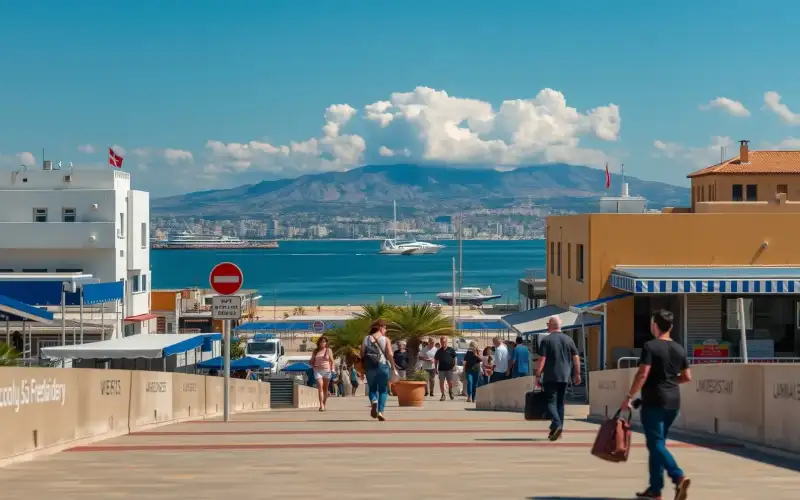
The Larnaca Packing Dilemma: Why Standard Holiday Lists Don't Cut It
Last April, I watched a British couple trudge through Larnaca's Salt Lake in heavy walking boots meant for Scottish moorland, sweat dripping despite the mild spring temperature. They'd packed for 'Mediterranean weather' but arrived unprepared for the specific demands of Larnaca's unique geography—a coastal town that swings between scorching beach days, dusty archaeological sites, and surprisingly cool evenings by the water. Larnaca isn't Ibiza or Mykonos; it's a working port town with serious history, and your luggage needs to reflect that reality.
The challenge with packing for Larnaca lies in its contradictions. You'll need swimwear for the beaches around Mackenzie and Larnaca Bay, sturdy shoes for exploring the medieval Church of Saint Lazarus, sunscreen for eight-hour archaeological expeditions, and something decent enough to wear to dinner in the old quarter without looking like you've just rolled off a lounger. Most generic 'Cyprus packing lists' miss this complexity entirely.
Climate and Seasonal Considerations for 2026
Larnaca's weather in 2026 follows predictable Mediterranean patterns, but the details matter. If you're arriving between May and September, expect daytime temperatures between 28°C and 36°C, with humidity climbing as you approach the coast. The sea itself sits at 20°C in May, warming to 27°C by August. If you're coming in winter (November to March), temperatures range from 10°C to 18°C, with occasional rain—yes, real rain, not the Mediterranean drizzle people imagine.
The town's salt lake to the south creates a microclimate that can feel 2-3 degrees warmer and considerably drier than the beaches themselves. Evening winds roll in from the sea around 6 PM, dropping temperatures by 5-7 degrees even in summer. This isn't trivial information; it determines whether you pack a light cardigan or leave it at home entirely.
Spring (March to May) and autumn (September to November) are genuinely ideal for Larnaca. You get warm days (22-26°C) without the punishing heat, lower humidity, and far fewer crowds at both beaches and historical sites. If you're planning your trip, these seasons deserve serious consideration. Your packing becomes simpler: lighter layers, less sunscreen consumption, more comfortable sightseeing.
Beach Essentials: Beyond the Obvious Swimsuit
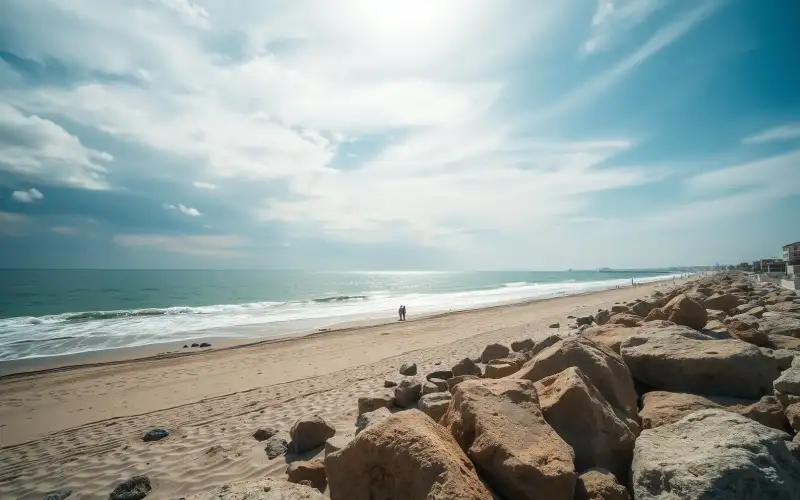
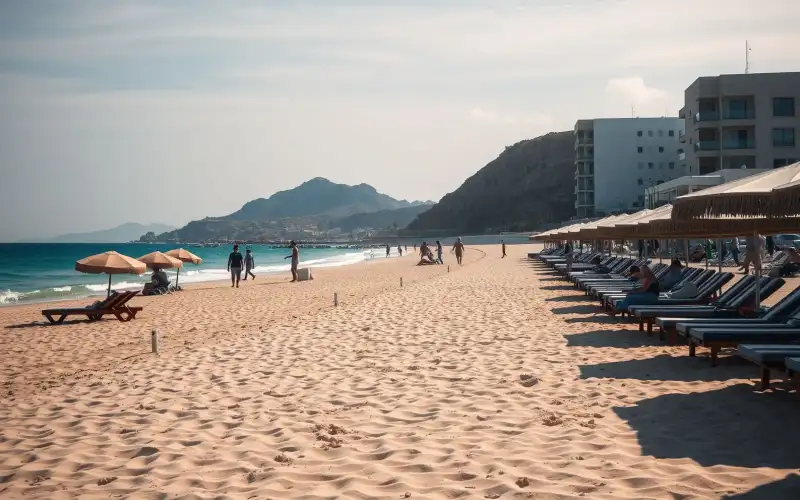
Everyone packs a swimsuit. The question is what else goes into your beach bag, and here's where most people get it wrong. The beaches around Larnaca—whether you're at Mackenzie (the main strip with sunbeds and tavernas), Larnaca Beach (busier, more facilities), or the quieter Voroklini Beach 4 km south—expose you to UV intensity that British skin simply isn't prepared for.
Start with sunscreen. Not the SPF 30 you use in Cornwall. Bring SPF 50+ and bring more than you think you'll need. A standard 200 ml bottle lasts roughly four days of regular beach use. For a two-week trip, pack at least 600 ml, or plan to buy locally (available at pharmacies and supermarkets like Carrefour, usually €8-14 per large bottle). The sun here isn't forgiving, and the reflection off the limestone beaches intensifies the effect. I've seen people's shoulders turn lobster-red in three hours of 'careful' sun exposure.
A wide-brimmed hat (not a baseball cap—the back of your neck needs protection) and quality sunglasses are non-negotiable. The glare off the water is genuinely painful if you're not protected. Prescription sunglasses? Bring them or pack regular ones with your regular glasses; you'll use both.
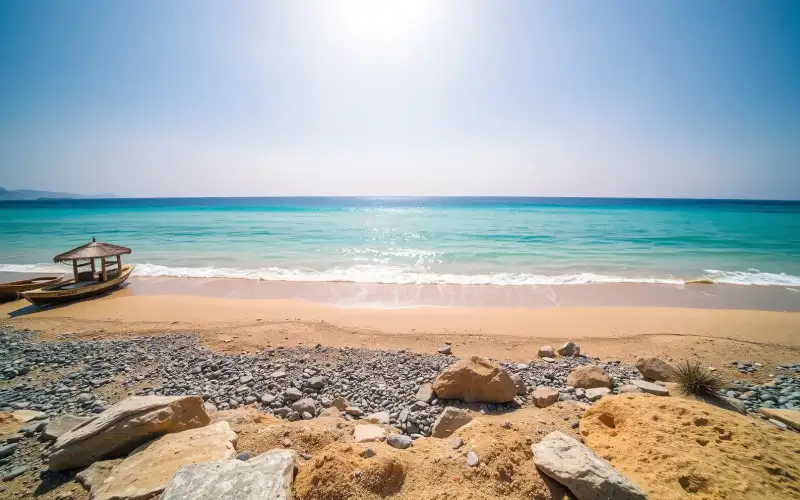
Beach shoes matter more than people expect. Larnaca's beaches have smooth sand, but the approach to the water often involves small stones, and the sea bed can be rocky near some spots. Lightweight water shoes (available locally for €12-20 if you forget) prevent painful foot encounters. Pack one pair you don't mind getting wet and sandy.
A lightweight, loose-fitting cover-up or linen shirt serves multiple purposes. It protects your shoulders during beach hours, works as casual clothing for beach cafes, and layers well for evening. Choose something breathable—cotton or linen blends, not synthetic. You'll wear it far more than you expect.
Bring a microfibre quick-dry towel. Standard towels are bulky, slow to dry in humid conditions, and take up precious luggage space. These compact versions weigh almost nothing, dry in under an hour, and actually work on salt-crusted skin.
Footwear: The Overlooked Travel Essential
This deserves its own section because footwear mistakes create genuine misery. For Larnaca, plan for at least three pairs: beach shoes (as mentioned), comfortable walking shoes for city exploration, and something slightly dressier for evenings and restaurants.
Walking shoes should be broken in before you arrive. Larnaca's old quarter involves narrow, uneven limestone streets, particularly around the Church of Saint Lazarus and the waterfront promenade. Cobblestones, slightly crumbling pavements, and occasional steps demand proper support. Lightweight hiking shoes or quality walking trainers work better than fashion sneakers. The distances aren't huge—the old town is perhaps 1.5 km across—but the terrain is more demanding than typical Mediterranean wandering.
If you're planning to visit the Zenobia wreck (the British cargo ship that sank in 1980, now Cyprus's most famous dive site), bring proper diving shoes if you dive. If you're not diving but visiting the dive centres in Larnaca to learn or book trips, comfortable shoes for standing around boat docks matter. Flip-flops won't cut it for eight hours on a dive boat.
Evening shoes should be comfortable enough to walk in but presentable enough for decent restaurants. Sandals with proper heel support work perfectly. Avoid anything that looks like beachwear; Larnaca's traditional tavernas in the old quarter have standards that polite restaurants elsewhere might not enforce, but locals notice.
Clothing for Mixed Activities and Variable Temperatures
This is where packing strategy separates comfortable trips from frustrating ones. You need clothes that transition between beach lounging, archaeological site walking, and city dining without requiring a complete wardrobe change.
Pack lightweight, loose-fitting clothing in natural fibres. Cotton and linen breathe; polyester blends trap heat and create sweat patches visible from space. For women, loose trousers, lightweight skirts, and loose dresses in neutral colours work across contexts. For men, lightweight chinos, linen shorts, and loose shirts do the same work. Neutral colours (cream, tan, soft grey, natural linen tones) are practical—they hide salt stains, dust from archaeological sites, and general travel grime better than white or dark colours.
A lightweight cardigan or linen jacket is essential, even in summer. Larnaca's waterfront restaurants are air-conditioned to Arctic levels, and evening sea breezes can surprise you. Something you can tie around your waist or drape over your shoulders takes minimal space and solves temperature swings.
Bring one slightly smarter outfit. A dress with a structured top or trousers with a proper shirt gives you options for better restaurants without requiring formal wear. Larnaca isn't formal, but it respects effort. The difference between 'just came from the beach' and 'made an effort' matters in family-run tavernas.
If you're visiting during shoulder seasons (March-May or September-November), pack layers more seriously. Mornings can be cool (12-15°C), middays warm (22-26°C), and evenings cool again. A lightweight sweater and a waterproof layer handle this elegantly.
Accessories, Sun Protection, and Often-Forgotten Items
This category contains the items that seem minor until you're standing in Larnaca realizing you forgot them. A good sunhat isn't optional—it's survival gear. Wide-brimmed hats (at least 10 cm brim all around) prevent sun damage and make archaeological site visits genuinely more comfortable. Baseball caps and bucket hats leave your neck and ears exposed. Beach shops sell them for €15-25, but bringing one from home saves money and ensures fit.
Sunglasses with proper UV protection are non-negotiable. The reflection off limestone buildings and the sea is intense. Cheap sunglasses actually make things worse by dilating pupils in dim light while still allowing UV through. Bring proper ones.
An after-sun lotion or aloe vera gel addresses the inevitable sunburn you'll get despite best efforts. Local pharmacies stock these, but bringing something familiar from home makes sense. The cooling effect matters in the evening.
A lightweight scarf or pashmina serves multiple purposes: sun protection on boats, shoulder coverage for religious sites, and evening warmth. Larnaca's churches require covered shoulders, and a scarf solves this better than a full cardigan.
Comfortable underwear matters more on trips than at home. Pack more than you think you'll need—the combination of salt water and sand creates laundry needs that sneak up on you. Quick-dry fabrics help if laundry facilities are limited.
A small first-aid kit with blister treatment, plasters, and pain relief saves significant hassle. Walking on unfamiliar terrain creates blisters; sun exposure creates headaches. Pharmacies here are excellent (Larnaca has several on Larnaca Street and near the central market), but having basics prevents minor problems becoming trip-ruining ones.
Medications in original packaging are important if you're bringing anything prescription or regular-use. Cypriot pharmacies can be helpful, but they operate on different systems than British ones, and having your own supply prevents confusion.
Bring a small portable charger for phones. Larnaca's beaches and archaeological sites don't have obvious charging points, and your phone will be your camera, navigation tool, and lifeline. A lightweight 10,000 mAh charger weighs almost nothing and provides insurance against dead batteries.
Site-Specific Packing: Beaches, City, and Ancient Ruins
Different Larnaca experiences require slightly different preparation. If beaches are your priority, the beach essentials section covers most of it. Bring extra sunscreen, an extra towel, and comfortable beach clothes. Mackenzie Beach has full facilities (sunbeds, changing rooms, tavernas), so you can pack lighter if you're staying beachside.
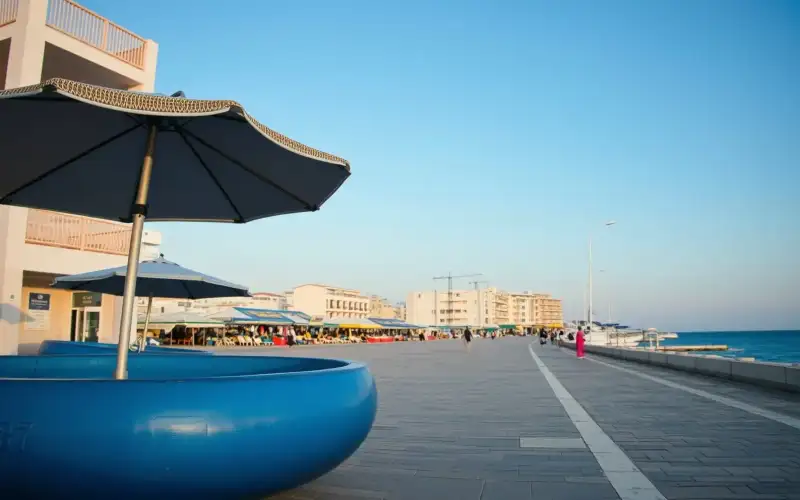
If you're exploring the city—the Church of Saint Lazarus, the old quarter, the waterfront promenade—wear walking shoes, pack water, and bring a light layer. The old town's narrow streets offer shade, but the waterfront promenade is exposed. Sunglasses and a hat matter even if you're not at the beach.
Archaeological sites demand different preparation. The Kition site (ancient city ruins near the waterfront) involves walking on uneven ground, stepping over low walls, and spending hours in direct sun. Wear proper walking shoes, bring at least 1.5 litres of water, and reapply sunscreen regularly. The site has minimal shade. A lightweight long-sleeved shirt (yes, even in summer) protects your arms and neck. It sounds excessive, but after hours under the Cypriot sun, you'll understand.
If you're diving or doing a boat trip to see the Zenobia wreck, bring a rash guard or wetsuit (cold water at depth) and secure footwear. Boat decks are slippery, and your feet need protection. Dive centres provide rental gear, but bringing your own ensures fit and comfort.
What to Leave Behind: The Packing Mistakes to Avoid
Bulky guide books: Larnaca is small enough to navigate with a smartphone and basic orientation. Download maps before you leave; mobile internet in Cyprus is good and affordable, but having offline maps removes stress.
Heavy denim: Jeans are terrible in Mediterranean heat. They're heavy, they don't breathe, and they look out of place. Lightweight chinos or linen trousers work far better and pack smaller.
Formal shoes: Unless you're attending a specific event, leave dress shoes at home. Larnaca is casual. Comfortable sandals or smart casual shoes work everywhere you'll actually want to go.
Multiple swimsuits if you're staying more than five days: One good swimsuit dries overnight. You don't need three. Pack one quality suit and one backup; that's sufficient.
Heavy jackets: Even in winter (November to March), a lightweight sweater and waterproof layer handle everything. A heavy winter coat is dead weight.
Full-size toiletries: Larnaca has supermarkets and pharmacies. Bring travel-size versions or plan to buy locally. Carrefour supermarkets are on Larnaca Street (main shopping district) and near the port; they stock everything you'll need at reasonable prices.
Practical Packing Strategy and Final Considerations
Pack in layers within your luggage. Beach items together, city exploration items together, evening clothes together. This makes finding things easier and helps you grab specific items for day trips without excavating your entire bag.
Roll clothes rather than folding them. It saves space, reduces wrinkles, and makes efficient use of luggage space. T-shirts and lightweight items pack particularly well this way.
Use packing cubes if your luggage style allows. They keep items organized and compress efficiently. Even basic ones (available cheaply online or at travel shops) transform luggage organization.
Check weather forecasts the week before you travel. Larnaca's weather is generally predictable, but occasional rain does occur, particularly in winter. A lightweight waterproof layer (packable rain jacket) weighs almost nothing and prevents misery if weather shifts.
Consider luggage size carefully. Larnaca Airport is straightforward, but flights from the UK typically allow one checked bag (20 kg) and one carry-on. Pack accordingly. You won't need as much as you think, and overpacking creates unnecessary baggage fees and luggage management headaches.
If you're staying multiple weeks, plan laundry access. Most hotels offer laundry services (usually €5-8 per load), or there are launderettes in town. This means you can pack less and refresh clothing mid-trip rather than bringing everything you might need.
Finally, remember that Larnaca is a working town with proper shops. You've forgotten something? You can buy it here. This removes pressure from packing perfectly. Pharmacies, supermarkets, and even small tourist shops stock basics. Your luggage should contain comfort items and essentials, but it doesn't need to contain every contingency.
Comments (4 comments)