A couple of years back, a first-timer on my dive boat asked me — five minutes before we dropped into the Zenobia — whether he needed to declare his euros at the airport. Good question, wrong timing. It made me realise that no matter how much research people do before flying into Larnaca, the same questions keep coming up. So here they are, answered properly, in one place.
What You'll Find in This Guide
This FAQ covers the practical stuff that doesn't always make it into glossy travel brochures: money, tipping, safety, language, weather, food, nightlife, transport and a handful of questions specific to Larnaca itself. Whether you're on a long weekend from Gatwick or planning a two-week beach and dive trip, these are the answers you actually need.
I've been based in and around Larnaca for years. I've dived the Zenobia over a hundred times and I've watched thousands of British visitors arrive, get confused by the same things, and leave wishing someone had told them earlier. Consider this that someone.
Before You Go: Prerequisites and Basics
Do British citizens need a visa for Cyprus?
No. Cyprus is a full EU member state and British citizens can enter without a visa for stays of up to 90 days in any 180-day period. Your passport needs to be valid — check the expiry date. Some airlines and border officials want at least six months' validity beyond your travel dates, though Cyprus itself only requires it to be valid for the duration of your stay. Don't cut it fine.
What currency does Cyprus use?
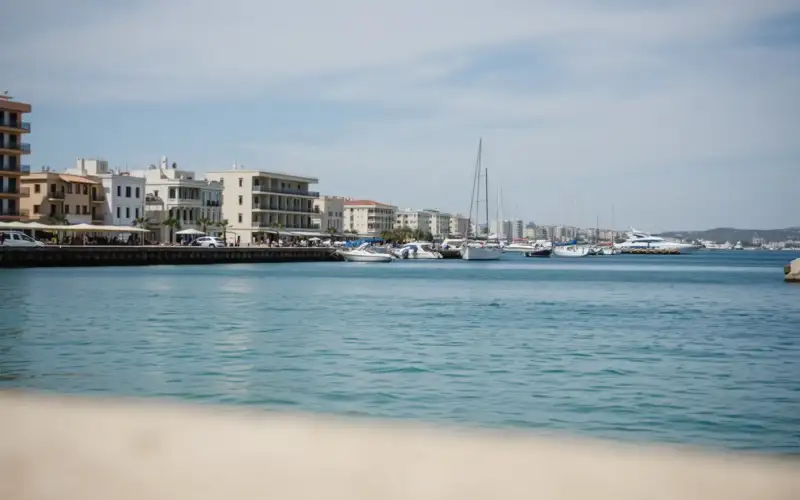
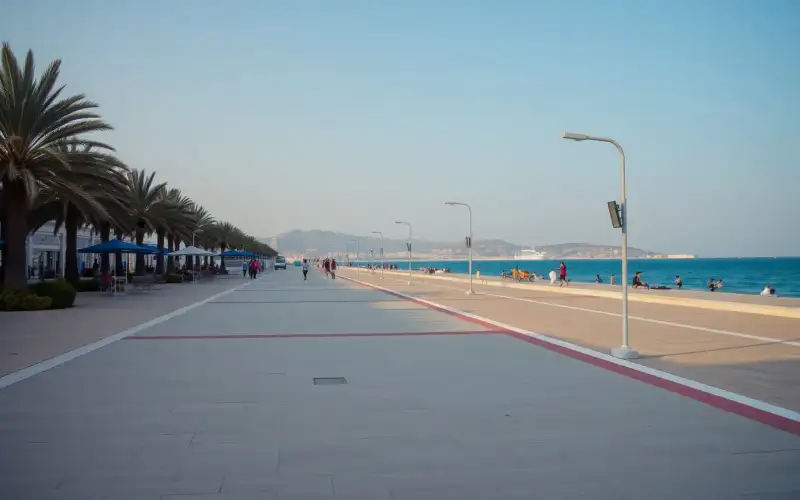
The euro. Cyprus joined the eurozone in 2008. Forget the old Cypriot pound — it's been gone nearly two decades. You'll get a better rate exchanging at home or using a fee-free card (Starling, Monzo, Chase) than using the airport bureaux de change at either end. ATMs are everywhere in central Larnaca, including on Finikoudes promenade and near the Zenobia dive centre at Zygi road.
Should I bring cash or use cards?
Both. Cards are accepted in most hotels, restaurants and larger shops. But smaller tavernas, market stalls, bus fares and the occasional car park are cash-only. Bring €100–150 in cash as a buffer and top up at ATMs as needed. Avoid the standalone ATMs in tourist areas that offer to convert to sterling — that's dynamic currency conversion and the rate is terrible.
Is tap water safe to drink in Larnaca?
Technically yes — it's treated and meets EU standards. Practically, most locals and long-term residents drink bottled water because the desalinated tap water has a slightly mineral, flat taste that takes getting used to. A 1.5-litre bottle costs around €0.50 in a supermarket. If you're staying in a hotel, ask whether they filter their water. For brushing teeth, tap water is absolutely fine.
Step-by-Step: The 40 Questions, Organised by Theme
Money and Costs
- What's the average cost of a meal out? A sit-down meze at a traditional taverna runs €15–22 per person including a couple of drinks. Fancier spots on Finikoudes will charge €30–40. A souvlaki wrap from a street kiosk is €3–4.
- How much should I tip in Cyprus? Tipping is appreciated but not mandatory. 10% is standard in restaurants if service isn't included. Taxi drivers round up. Bar staff get €1 per round at most. Don't feel obligated if the service was poor — Cypriots won't chase you down the street.
- Are there hidden charges to watch for? Yes. Some beach bars charge a sun-lounger fee (€5–8 per day) that they don't advertise clearly. A few restaurants add a bread and cover charge (€1–2 per person). Always check the menu for these before ordering.
- Is Larnaca expensive compared to the UK? Generally cheaper, especially for food and drink. A pint of local Keo beer is €3–4 in a bar. Wine by the glass starts at €3. Eating out is noticeably cheaper than equivalent London or Manchester prices, though tourist-facing spots near the beach have been creeping up.
Safety and Health
- Is Larnaca safe for tourists? Very. Cyprus consistently ranks among the safest countries in Europe. Violent crime against tourists is extremely rare. Petty theft — bags left on beach towels, phones on café tables — is the main risk. Standard common sense applies.
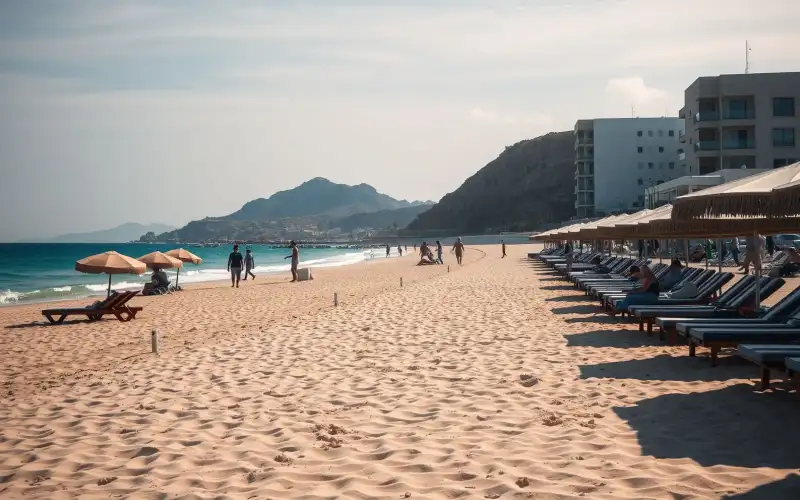
- Is it safe to swim at Larnaca's beaches? Yes. Finikoudes and Mackenzie beaches are both Blue Flag rated and regularly monitored. Jellyfish appear in late summer (August–September), mostly moon jellies that sting mildly. Lifeguards are on duty at main beaches from June to September, typically 9am–6pm.
- Do I need travel insurance? Absolutely. The EHIC/GHIC card gives you access to state healthcare but Cyprus's private hospitals are significantly better, and you'll want cover for diving, water sports and any flight disruption. Don't skimp on this.
- What vaccinations do I need? None are required for Cyprus. Standard UK vaccinations should be up to date. If you're planning to dive or do water sports, check your tetanus is current.
- Is the sun dangerous? More than most British visitors expect. UV index in July and August regularly hits 10–11 (extreme). SPF 50, a hat and avoiding the beach between 12pm and 3pm are not optional — they're genuinely necessary. I've watched people arrive pale on Monday and spend Wednesday in their hotel room with sunstroke.
Weather and When to Go
- What's the weather like in Larnaca? Cyprus has one of the most reliable climates in the Mediterranean. Summers (June–September) are hot and dry, regularly 35–38°C. Spring (April–May) and autumn (October–November) are ideal — 22–28°C, low humidity, calm seas. Winters are mild, 15–18°C, with some rain in January and February.
- When's the best time to visit? May and October are the sweet spots. Crowds are thinner, prices are lower, the sea is warm enough to swim (20–24°C) and the heat is manageable. July and August are peak season — busier, hotter, more expensive, but the nightlife is at full volume.
- Does it ever rain in summer? Almost never. Between June and August, Larnaca averages fewer than five days of rain across the entire three months. If it does rain, it's usually a brief afternoon shower that's gone in 20 minutes.
"The best dive conditions on the Zenobia are in May and October — visibility can hit 30 metres, the water's 22–24°C and the boat isn't packed with nervous beginners." — Nigel Hartley, PADI Instructor
Language and Communication
- Do people speak English in Larnaca? Widely, yes. English is effectively a second language across Cyprus due to British colonial history. Almost every restaurant, hotel, shop and taxi driver in Larnaca will speak functional to fluent English. Road signs are bilingual. You will not struggle.
- Should I learn any Greek? A few words go a long way. Efharisto (thank you), parakalo (please/you're welcome) and yia sas (hello/cheers) will earn you genuine warmth. Cypriots appreciate the effort even if your pronunciation is appalling.
- Is the Cypriot dialect different from mainland Greek? Significantly. Cypriot Greek has its own vocabulary, pronunciation and idioms that even mainland Greeks find tricky. Don't worry about this — standard Greek phrases work fine everywhere.
Getting Around
- Do I need to hire a car? For Larnaca town and its beaches, no. For day trips to Troodos Mountains, Paphos or the Akamas Peninsula, yes — or book a tour. The public bus network (OSYPA) covers the main coastal towns but is slow and infrequent outside of peak routes.
- Which side of the road do they drive on? The left, same as the UK. Cyprus is one of very few EU countries where this is the case, a direct legacy of British rule. Hire cars feel immediately familiar.
- How far is Larnaca Airport from the city centre? About 5 kilometres. A taxi takes 10–15 minutes and costs €20–25 fixed rate. The 417 airport bus runs to Finikoudes promenade for €1.50 and takes around 25 minutes depending on traffic.
- Are taxis reliable? Generally yes, but always confirm the fare before you get in or ensure the meter is running. Licensed taxis are yellow. Avoid unmarked private cars offering rides outside the airport arrivals hall — they're not regulated.
- Can I use my UK driving licence? Yes, a full UK driving licence is valid in Cyprus with no additional paperwork required.
Food and Drink
- What should I eat in Larnaca? Halloumi, obviously — but the fresh, squeaky local version, not the supermarket stuff. Kleftiko (slow-cooked lamb), loukoumades (honey doughnuts), sheftalia (herby sausages) and fresh grilled sea bass. For a proper Cypriot breakfast, find a bakery selling flaounes or a café doing eggs with village bread and olives.
- Where do locals eat near Finikoudes? The waterfront restaurants are fine but tourist-priced. Walk two streets back — towards the old town near Agios Lazaros church — and you'll find family-run tavernas where the food is better and the bill is 30–40% lower.
- Is the local wine any good? Better than its reputation. Commandaria is a sweet dessert wine with a history going back to the Crusades — worth trying at least once. Dry reds and whites from the Troodos foothills have improved dramatically over the past decade. Zivania, the local firewater, is not for the faint-hearted.
- Are there good options for vegetarians and vegans? More than you'd expect. Traditional Cypriot cuisine is heavily meat and fish focused, but the Orthodox fasting tradition means many tavernas have substantial vegetable dishes. Falafel, hummus, tabbouleh and grilled halloumi are ubiquitous. Vegan options in central Larnaca have expanded noticeably in 2025 and 2026.
Nightlife and Entertainment
- What's the nightlife like in Larnaca? More relaxed than Ayia Napa, which is 40 minutes up the coast and Cyprus's main party hub. Larnaca has a solid bar scene along Finikoudes and in the old Turkish quarter near the castle. Bars typically open around 7pm and close between 2am and 4am depending on the night and season.
- Is Larnaca suitable for a party holiday? It's not Ayia Napa. If you want wall-to-wall clubs and 6am finishes, take the bus to Napa. Larnaca suits people who want good bars, decent cocktails, a beach the next morning and a functioning brain at breakfast. That said, summer weekends can get lively around the marina area.
- What about Ayia Napa from Larnaca? Easy day or night trip. Bus 701 from Larnaca bus station runs regularly and costs around €4. Taxis are €35–45 each way. If you're going for a big night, taxi there and taxi back — the last bus doesn't run late enough.
- Are there beach bars in Larnaca? Yes. Mackenzie Beach has the best cluster — several bars with sun loungers, music and cocktails. In summer 2026 the strip is busier than ever with a couple of new openings joining the established spots. Drinks run €8–12 for cocktails, €4–5 for beer.
Diving, Beaches and Activities
- Is the Zenobia wreck suitable for beginners? Parts of it, yes. The top of the wreck sits at 16–18 metres and is accessible to Open Water divers. The deeper sections (28–42 metres) require Advanced certification. Every dive centre in Larnaca offers guided Zenobia dives — don't attempt it independently if you don't know the site.
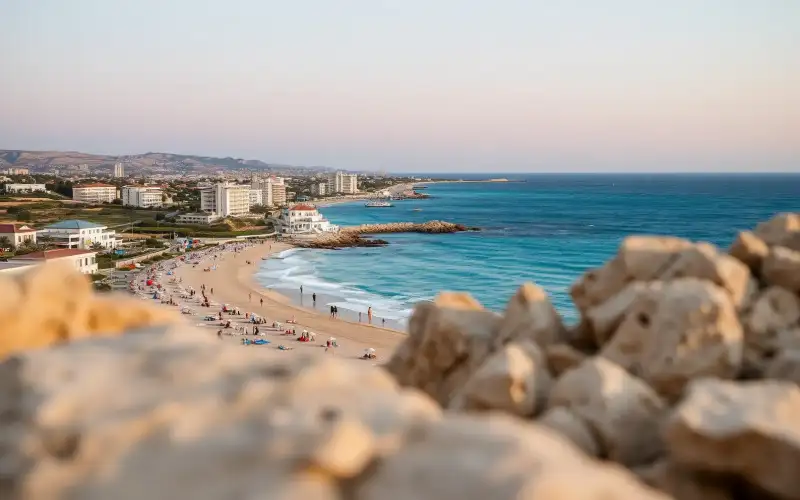
- What's the best beach in Larnaca? Depends what you want. Finikoudes is central and convenient but busy. Mackenzie is slightly less crowded and has better beach bars. For quieter water and fewer tourists, drive 20 minutes south to Pervolia or Cape Kiti — long sandy stretches with almost no facilities, which is either a blessing or a problem depending on your outlook.
- Can I snorkel in Larnaca? Yes, though the town beaches aren't the most spectacular for marine life. The rocky areas around the Zenobia dive site and the coast near Zygi offer clearer water and more fish. A basic snorkel set costs €10–15 from any beach shop.
- Are water sports available? Extensively. Jet skis, parasailing, paddleboarding, kayaking and banana boats are all available at Finikoudes and Mackenzie from May to October. Prices are broadly comparable to other Mediterranean resorts.
Practical Logistics
- What plug sockets does Cyprus use? British three-pin (Type G) — identical to the UK. No adaptor needed. Another colonial legacy that makes life easier.
- What's the time difference? Cyprus is UTC+2 in winter and UTC+3 in summer (Eastern European Time). In summer, Cyprus is two hours ahead of the UK.
- Is mobile roaming expensive from the UK? Post-Brexit, UK networks can charge roaming fees in EU countries. Check your specific plan before you go. EE, Vodafone and O2 all have varying policies in 2026. A local SIM from a Cyprus mobile provider (Epic, MTN) costs around €10 for 10GB and is worth it for longer stays.
- What are the opening hours for shops? Variable. Larger supermarkets (Lidl, Alphamega) open 8am–9pm Monday to Saturday. Smaller shops often close for a siesta between 1pm and 4pm, particularly outside of peak tourist season. Sunday trading is more limited than in the UK.
- Is Sunday quiet in Larnaca? Quieter than weekdays, yes. Many local businesses close or operate reduced hours. The main tourist areas and restaurants stay open, but if you need a pharmacy or a specific shop, check ahead.
Troubleshooting: When Things Go Wrong
What if I lose my passport?
Contact the British High Commission in Nicosia immediately — they're at Alexander Pallis Street and the emergency line operates 24 hours. You'll need a police report from the nearest station (in Larnaca, that's on Leoforos Athinon) and passport photos. An Emergency Travel Document can be issued within 24–48 hours for urgent travel.
What if I need medical help?
For emergencies, dial 112. The Larnaca General Hospital is on Grigori Afxentiou Avenue and has a 24-hour A&E. For minor issues, private clinics are faster and more comfortable — expect to pay €50–100 for a consultation. Keep all receipts for your travel insurance claim.
What if my flight is significantly delayed at Larnaca Airport?
Under UK261 regulations (which Cyprus still honours for flights to the UK), you're entitled to meals, refreshments and accommodation for delays over three hours on flights of this distance. Speak to your airline's ground handling agent at the airport — Larnaca Airport's terminal is compact enough that you won't struggle to find them.
What if I get stung by a jellyfish?
Don't panic and don't use vinegar — that's for Portuguese man-of-war, not the moon jellies common in Cypriot waters. Rinse with seawater, remove any tentacles with a card (not your fingers), and apply a cold pack. Antihistamine cream from a pharmacy helps. Lifeguards on Finikoudes and Mackenzie carry basic first aid kits.
| Quick Reference: Larnaca Essentials | Detail |
|---|---|
| Currency | Euro (€) |
| Plug type | UK three-pin (Type G) |
| Driving side | Left |
| Emergency number | 112 |
| Airport to centre | ~5km, €20–25 taxi / €1.50 bus |
| Language | Greek (English widely spoken) |
| Time zone (summer) | UTC+3 (2hrs ahead of UK) |
| Tipping norm | 10% in restaurants |
| Tap water | Safe but bottled preferred |
| Best months to visit | May and October |
"Cyprus is one of the easiest countries in the Mediterranean for British travellers — same plugs, same driving side, English everywhere. The learning curve is genuinely shallow. The main thing that catches people out is the heat in July and August. Respect it."
Final Thoughts
Larnaca doesn't demand much from its visitors. The infrastructure is solid, the locals are genuinely welcoming to British tourists, and the practical barriers — language, currency, driving — are lower here than almost anywhere else in the EU. The questions above cover the vast majority of what trips people up before and during their visit.
If you're planning to dive the Zenobia, book your dive centre slot at least a week in advance in July and August — the site gets busy and the good operators fill up fast. If you're here for beaches and bars, May to October gives you reliable sunshine with varying degrees of crowd and cost depending on when exactly you come.
The one thing I'd add that doesn't fit neatly into any FAQ category: give yourself at least one evening to sit on Finikoudes promenade with a cold Keo and watch the sun go down over the salt lake. No agenda, no itinerary. That's what Larnaca actually is.
Comments (4 comments)