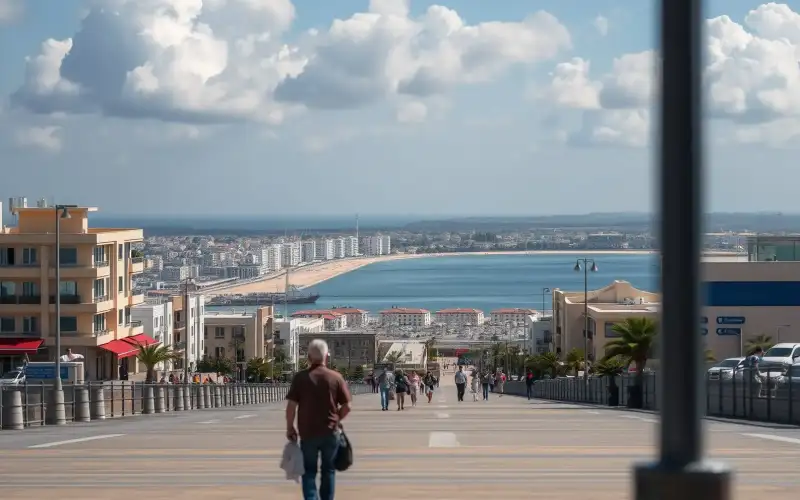
I was sitting at a taverna on the Larnaca seafront in late September 2025, watching a tour group shuffle past in matching sun hats, and the owner—Yiannis, who's been running the place for thirty years—leaned over and said something I've heard from every local since: "October? That's when we actually get to breathe." He wasn't being poetic. He meant it literally. The crowds thin out, the air cools just enough to make walking around Lefkara village at midday bearable again, and the sea is still warm enough to swim without thinking twice.
This is the conversation I want to have with you about October 2026 in Larnaca. Not the glossy brochure version, but the real one. Because if you're a British traveller in your late thirties to mid-sixties, you've probably noticed that summer holidays have become either impossibly expensive or uncomfortably packed with families and stag parties. October offers something different—and once you understand what's actually happening in Larnaca at this time of year, you'll understand why it's becoming the month that savvy travellers book.
Option A: Peak Summer (July–August) in Larnaca
Let's start with what most people think they want: full-on Mediterranean summer. The sun is relentless, the sea is bathwater-warm at 28–29°C, and there's something undeniably appealing about that idea when you're sitting in a British October drizzle.
The Good Parts of Summer
Summer in Larnaca does deliver on certain fronts. The sea temperature is genuinely lovely—you can swim for hours without a wetsuit, and the water clarity is often at its best. The beaches are fully staffed, sun loungers are plentiful, and if you're a diver interested in the Zenobia wreck (the famous cargo ship that sank off Larnaca in 1980), the visibility and water conditions in July and August are ideal. Water temperature around 28°C means you can dive in just a light wetsuit, and the sea state is usually calm enough for regular recreational dives.
Restaurants and bars are open late, often until midnight or later, and there's a genuine buzz to the seafront. If you're the type who wants live music, international food options, and the energy of a busy holiday destination, summer delivers. The archaeological sites around Larnaca—like the Church of Saint Lazarus and the Salt Lake—are fully operational with extended hours. Hotels run at full capacity, which means they're staffed for it: more housekeeping, more front desk support, more dining options.
And if you're travelling with family or want guaranteed sunshine every single day, summer is reliable. In July and August, you're looking at roughly 28–30 days of unbroken sun. Rain is almost unheard of.
The Real Cost of Summer
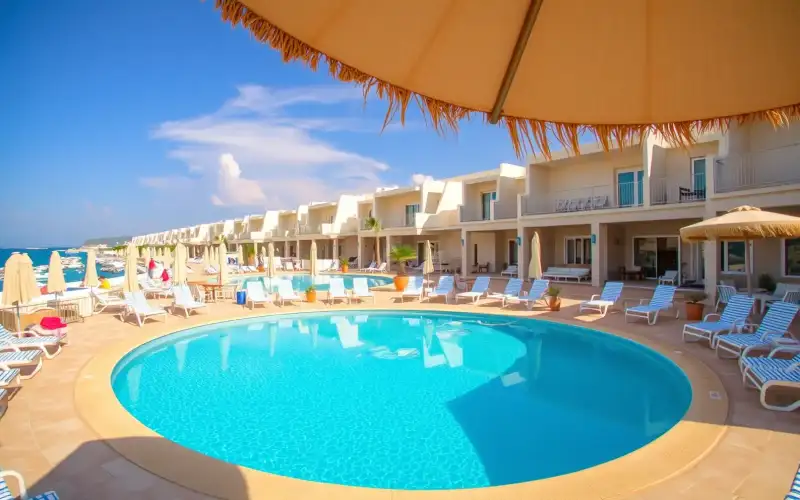
Here's where the conversation gets honest. A mid-range hotel in Larnaca—say, a three-star seafront property like the ones clustered around the marina—will run you £90–140 per night in July and August 2026. That same hotel in October? £55–85. That's not a small difference when you're talking about a week-long stay.
The Zenobia dive, which is the main draw for the diving community, costs roughly £65–75 per person in summer. Boat operators run multiple trips daily because demand is high. But you're also sharing the dive site with 40–50 other divers across multiple boats, and the underwater experience—while still spectacular—feels less intimate.
Restaurants on the seafront in summer charge peak-season prices. A grilled sea bream at a decent taverna costs £16–22 in July and August. The same fish, same preparation, same view, costs £12–16 in October. Wine markups are steeper in summer too—a bottle of local Commandaria wine that costs £18 in a summer tourist restaurant might be £12–14 in autumn.
And then there's the crowd factor. In my experience, summer in Larnaca means you're competing for everything: sun lounger space, table reservations, parking, even standing room at the bar. I've watched people queue for 20 minutes just to order a coffee at a seafront café in August. The streets of Lefkara village—which should be a slow, contemplative experience—become a bottleneck of tour groups and souvenir hunters by mid-morning.
The Hidden Costs
Package deals and flight prices are at their absolute peak. A flight from London to Larnaca in July 2026 will likely cost £180–280 return, depending on how far in advance you book. By October, that same flight drops to £120–180. When you factor in hotel savings plus flight savings, you're looking at a difference of £300–500 for a week-long trip.
Summer also means peak season for every tourist activity. The Salt Lake, which is stunning for photography and birdwatching, is crowded by 9 a.m. The Hala Sultan Tekke mosque, one of the most important Islamic sites outside the Middle East, has tour groups moving through constantly. Even the quieter spots—like the small fishing village of Pervolia, about 8 km south of the main seafront—start to feel less authentic when they're full of tourists.
Option B: October (Shoulder Season) in Larnaca
Now let's talk about what actually happens in October 2026, because it's not what most people assume.
The Water Is Still Genuinely Warm
This is the first thing to understand: the Mediterranean doesn't cool down dramatically in October. The sea temperature in early October sits around 25–26°C, and by the end of the month it's still 23–24°C. For perspective, that's warmer than the sea around the British coast in August. You can absolutely swim without a wetsuit, though some people prefer a light 2mm one for extended time in the water.
For diving, October conditions are actually excellent. The water is still warm enough that you're comfortable in a light wetsuit, and the summer crowds have thinned considerably. A Zenobia dive in October might have just 15–20 divers across all the boats, compared to 40–50 in summer. The experience is fundamentally different—more personal, quieter, and honestly, more meditative. Dive operators often report that October is their favourite month because the balance between good conditions and manageable crowds is perfect.
The Lefkara Experience Actually Works in October
Lefkara is a hillside village about 30 km inland from Larnaca, famous for its traditional lace-making and wine production. In summer, it's overrun. You can barely walk down the main street without bumping into a tour group, and the narrow lanes feel claustrophobic rather than charming.
In October, something shifts. I visited Lefkara in October 2024, and the difference was remarkable. The main street was walkable. You could actually stop at a workshop and watch an elderly woman making lace without feeling like you were holding up a queue. The local tavernas—like the small family-run places tucked into side streets—had empty tables at lunchtime. The wine bars, which serve local varieties like Commandaria and Xynisteri, were quiet enough that you could have a real conversation with the owner.
The village is still fully operational in October. All the shops are open, all the restaurants are open, and the lace workshops are still producing. What's changed is the pace. You can actually experience the village as a place where people live, rather than as a tourist attraction you're being herded through.
Hotel Rates Drop Significantly
This is where October becomes genuinely appealing for budget-conscious travellers. The mid-range hotels that charge £100–130 per night in summer drop to £60–80 in October. Better hotels—the ones that might charge £150–180 in summer—are often available for £90–120.
More importantly, availability improves. In summer, you're often booking months in advance and accepting whatever room type is available. In October, hotels have flexibility. You can often negotiate room upgrades, get better positioning (higher floor, sea view), or access to quieter areas of the hotel without paying premium rates.
The all-inclusive and half-board options also become more attractive in October because the hotels aren't running at absolute capacity. The dining experience is better when the restaurant isn't serving 500 people at dinner service.
Food and Dining Prices Return to Normal
This might sound like a small thing, but it's one of my favourite aspects of October in Larnaca. The restaurants that charge tourist prices in summer actually cook for locals in autumn. A grilled sea bream at a decent seafront taverna costs £12–15 in October, compared to £18–22 in summer. A bottle of local wine that's £18 in summer is £11–13 in October. You're not just paying less; you're often getting better value because the restaurant isn't trying to extract maximum revenue from a captive audience.
The local markets are also more pleasant. The fish market near the old town operates year-round, but in October it's less frantic. You can actually browse, chat with the vendors, and get recommendations without feeling rushed.
The Weather Is Actually Better for Exploring
This is counterintuitive to what most people assume. In July and August, the midday heat in Larnaca regularly hits 32–35°C. Walking around the old town, exploring the archaeological sites, or even just wandering Lefkara is genuinely uncomfortable. You're stopping every 15 minutes for water, seeking shade, and planning your day around the heat.
In October, the temperature is 24–27°C—warm enough to be pleasant, cool enough that you can actually move around without exhaustion. The humidity drops. The sea breeze that's barely noticeable in summer becomes genuinely refreshing. If you're interested in exploring the Salt Lake for birdwatching (October is actually excellent for migratory birds), or visiting the Hala Sultan Tekke, the cooler weather makes these experiences significantly more enjoyable.
The Trade-Off: Rain Possibility
October in Cyprus isn't entirely rain-free. There's roughly a 15–20% chance of rain on any given day in October 2026, usually in short bursts. This isn't the British autumn drizzle that lasts all day; it's typically a thunderstorm that arrives in the afternoon, lasts 30 minutes, and clears. The rain actually cools things down and makes the evening air lovely.
That said, if you're someone who needs guaranteed sunshine every single day, October isn't your month. But if you're flexible—and most people are—a brief afternoon rain isn't a significant issue. The beaches are still accessible, the sea is still swimmable, and it rarely rains for multiple days in a row.
The Comparison: Summer Versus October
| Factor | July–August (Peak Summer) | October (Shoulder Season) |
|---|---|---|
| Sea Temperature | 28–29°C | 23–25°C |
| Air Temperature (Midday) | 32–35°C | 24–27°C |
| Mid-Range Hotel (per night) | £90–140 | £55–85 |
| Flight from London (return) | £180–280 | £120–180 |
| Grilled Sea Bream (taverna) | £18–22 | £12–16 |
| Zenobia Dive (per person) | £65–75 | £60–70 |
| Crowd Level at Lefkara | Very High | Manageable |
| Rain Probability | Less than 5% | 15–20% |
| Typical Diver Count (Zenobia) | 40–50 per boat | 15–20 per boat |
Who Should Choose Each Month
Summer Is Better If:
- You want absolutely guaranteed sunshine and zero rain
- You're travelling with young children who need consistent beach days
- You're specifically interested in water sports beyond diving (windsurfing, jet skiing) where calmer summer seas are ideal
- You want the full party and nightlife scene—summer has more events and late-night venues
- You're only available during school holidays
October Is Better If:
- You're a diver or water enthusiast who values experience over temperature extremes
- You want to explore villages, archaeology, and local culture without tourist crowds
- You're budget-conscious and want to maximize value
- You prefer warm weather without oppressive heat
- You're interested in food, wine, and local restaurants where you can actually get a table
- You have flexibility with travel dates and aren't constrained by school holidays
The Real Recommendation
If I'm being completely honest, October 2026 in Larnaca is the month I'd choose for myself. I'm not saying this because I think it's objectively the best—I'm saying it because it matches what I actually value in a holiday. I want to swim in warm water without worrying about crowds. I want to sit at a taverna and have a conversation with the owner. I want to walk through Lefkara and actually see the village, not just rush through it. I want my money to go further so I can spend more on good food and less on accommodation.
But here's the thing: October isn't perfect for everyone. If you have children in school, you can't choose October. If you're someone who genuinely needs guaranteed sunshine, October has that 15–20% rain risk that might stress you out. If you want the full summer party atmosphere, October is quieter—which is a feature for some people and a bug for others.
The real insight is this: October has been underrated for too long. Travel companies push summer because it's easier to market—it's hot, it's sunny, it's what people assume they want. But once you actually spend time in Larnaca in October, you realize that what you actually want is often different from what you thought you wanted. You want to move at a slower pace. You want better value. You want the sea warm enough to swim in, not hot enough to cook in. You want to experience the place as something more than a tourist destination.
That's what October gives you. Not perfect conditions—no month is perfect. But the right balance for the kind of travel that actually stays with you after you've come home.
Comments (5 comments)