
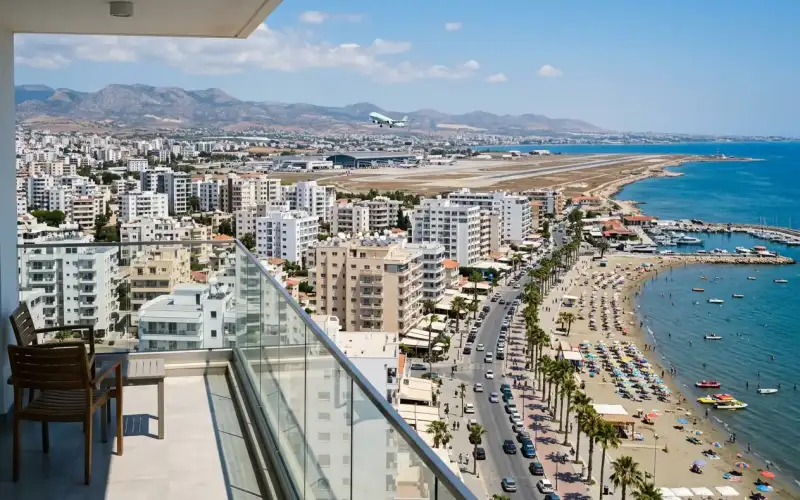
I watched a British couple arrive at their Larnaca apartment last summer, keys in hand, expecting central heating and a dishwasher. Neither existed. The landlord, a pleasant Cypriot named Yiannis, had no idea why they were upset—he'd listed "fully equipped kitchen" and to him, a stove and fridge qualified. That afternoon, they were frantically calling agents, I was explaining the difference between UK lettings and Mediterranean rentals, and they were learning the hard way what "apartment living" means in Cyprus.
Renting an apartment in Larnaca is genuinely cheaper than hotels and gives you kitchen facilities, local neighbourhood feel, and flexibility. But it's not identical to what you'd rent in Manchester or Bristol. The contracts are different. The amenities are different. The expectations are different. And if you arrive unprepared, you'll waste your first two days figuring out how the water heating works or why there's no thermostat.
This guide covers what you'll actually find in a Larnaca apartment in 2026, what landlords expect from you, and the gaps between British rental culture and Cypriot reality.
The Problem: Expectations Collide with Reality
The disconnect between what British renters expect and what Larnaca apartments deliver causes most frustration. You've rented holiday villas or serviced apartments before. You've read the listing. You assume standards are universal. They're not.
Why UK Renters Get Surprised
British rental standards are regulated. Landlords must provide working boilers, safe electrics, and specific fixtures. Larnaca has no equivalent enforcement for short-term rentals. A listing saying "modern apartment" might mean 2015 by Cypriot standards, or 2005 by yours. "Fully equipped" means there's a kettle and plates—not necessarily a microwave, dishwasher, or washing machine. You're used to standardised expectations; here, every landlord interprets amenities differently.
Many apartments in Larnaca—especially older stock in Larnaca Town or around the marina—were built in the 1980s and 90s. They've been updated piecemeal. One flat has air conditioning in the bedroom but not the lounge. Another has a modern kitchen but 40-year-old plumbing. There's no baseline. What you get depends entirely on the individual property and owner.
The second shock: landlords often live on-site or nearby. They're not distant management companies. They care about their property, but they also have opinions about how you use it. Noise after 11 p.m., hanging laundry on the balcony, having guests stay over—these aren't breaches of contract; they're social negotiations. Your landlord might knock on your door to chat, ask questions about your plans, or suggest better restaurants. This feels intrusive if you're expecting anonymous UK lettings. It's normal here.
What the Listings Don't Tell You
Online listings for Larnaca apartments are often vague because owners assume local knowledge. "Balcony with sea views" might mean you see the sea if you lean out and look left. "Walking distance to beach" might be 800 metres uphill. "Air conditioning" might mean a single wall unit in the bedroom; the kitchen and lounge stay hot. "Parking included" might mean street parking three blocks away, not a garage.
Utilities are rarely included in the rental price, and that's where costs surprise people. In summer 2026, electricity in Cyprus costs around €0.28 per kilowatt-hour—roughly double the UK rate. If you run air conditioning 10 hours daily for a month, expect €80–120 extra. Water is cheaper but still separate. Internet is usually extra. Heating oil (for winter, if the building uses it) is extra and expensive. A €600 monthly apartment suddenly costs €750 once utilities arrive.
What You'll Actually Find in a Larnaca Apartment
Let me walk you through the typical Larnaca rental, room by room, so you know what's standard and what's a bonus.
Kitchen Setup
Most apartments have a small kitchen with a gas or electric cooker, fridge, and basic cupboards. Expect this to be functional but cramped—Cypriot kitchens are designed for simple cooking, not entertaining. You'll find a kettle, usually a toaster, and plates. You might not find a dishwasher, microwave, or oven. If you're renting a newer apartment (post-2010) or a higher price bracket, these appear. But in a standard €500–700 monthly rental, assume you're cooking on a two-ring hob and washing up by hand.
Worktops are often narrow. Storage is minimal. There's usually no extractor fan—windows open instead. If the kitchen has a window, it probably opens onto a neighbour's balcony or the building's internal courtyard. This is normal and doesn't mean the flat is cheap; it's how Cypriot buildings are designed.
Bathroom Essentials
Bathrooms in Larnaca apartments are small—often just a shower cubicle, toilet, and sink in a space the size of a British cupboard. Bathtubs are rare unless you're in a villa or high-end apartment. Showers are typically electric (an instant water heater mounted above the shower head) or fed by a solar panel on the roof. Solar heating works brilliantly in summer; in winter, the electric heater takes over but uses significant electricity. There's usually no extractor fan, so bathrooms stay damp. Leave the window open or the door ajar after showering.
Hot water pressure is often weak. This isn't a fault; it's the system. You get used to it. Towel rails are rare; most bathrooms have a hook. Bring a bathrobe or expect wet towels draped everywhere.
Living Space and Bedrooms
A typical one-bedroom apartment in Larnaca has a small lounge (maybe 4m × 5m), a bedroom of similar size, and a balcony. Furniture is usually basic—a sofa, coffee table, and perhaps a dining table that doubles as a desk. Bedrooms have a bed frame and maybe a wardrobe; don't expect drawers or storage. Curtains are common, but they're often thin; blackout blinds are a luxury. If you need darkness for sleeping, bring an eye mask.
Balconies are standard and beloved. Even a small balcony is where residents spend evenings. You'll find a chair or two, sometimes a table. The view depends on location—sea-facing apartments in Larnaca Marina or Finikoudes cost more and offer genuine views. Inland apartments overlook other buildings or streets.
Air Conditioning and Heating
This is crucial. In summer, temperatures in Larnaca regularly hit 35–38°C. Air conditioning isn't a luxury; it's essential. Most apartments have at least one split unit (wall-mounted indoor and outdoor components). Older buildings might have just one unit in the bedroom; you'll sweat in the lounge. Newer apartments have multiple units or central AC. Check the listing carefully—if AC isn't mentioned, assume it doesn't exist.
In winter, Larnaca rarely freezes, but nights drop to 8–12°C. Many apartments have no heating at all. Some have wall-mounted electric heaters (expensive to run). Others rely on oil heaters or portable electric radiators. If you're renting November to March, ask specifically about heating. A flat without it is cold and damp.
Rental Contracts and What Landlords Expect
Cypriot rental contracts are simpler than UK ones but less protective for tenants. You have fewer rights, but also fewer obligations.
Contract Terms
Most short-term rentals (under a year) use informal agreements—sometimes just an email exchange. Longer rentals (6+ months) should have a written contract, ideally in English and Greek. Key terms to check: rental price, utilities included or separate, deposit amount, cancellation policy, and damage liability. Many contracts state you're liable for all damage, even accidental. Read this carefully. Some landlords are reasonable; others will charge €200 for a scratched door.
Deposits are typically one month's rent, held by the landlord (not a neutral third party like in the UK). There's no legal framework for returning deposits; it depends on the landlord's honesty and goodwill. Get a written receipt. Take photos of the apartment on arrival—document existing damage. This protects you if disputes arise.
What Landlords Care About
Cypriot landlords want reliable tenants who pay on time, respect the property, and don't cause trouble. They're less concerned with paperwork than UK landlords and more concerned with personal trust. If you're renting for a month or two, expect to pay cash upfront. If you're renting longer, bank transfers are standard. Many landlords ask for references or proof of employment—not because they're suspicious, but because they want confidence you won't disappear owing rent.
Noise, guests, and parties matter. Larnaca apartments are often in close-quarters buildings. Neighbours complain to landlords. If you're having friends over regularly or playing music late, tell your landlord first. They might say yes, or they might ask you to keep it quiet. Hanging laundry on the balcony is normal, but some landlords dislike it for aesthetic reasons. Pets are usually forbidden unless agreed in advance.
Utilities and Hidden Costs
Electricity, water, and internet are billed separately. You'll pay the supplier directly (or the landlord will collect on your behalf). Electricity bills arrive every two months and vary wildly by season. Summer bills (with AC running) are typically €80–150. Winter bills are €40–70. Water is around €15–30 monthly. Internet is €25–40 for decent broadband. Rubbish collection is usually included in a small municipal fee or handled by the landlord.
If the building has a lift and communal areas, there's often a maintenance charge (€10–30 monthly) shared among residents. Ask about this before signing.
Expert Tips for Apartment Renters in Larnaca
Before You Book
Ask the landlord specific questions: Is air conditioning included or does it cost extra? What's the water heating system? Is there a cooker? How much is the internet? Can you have guests? What's the cancellation policy? Don't assume anything. Request photos of the kitchen, bathroom, and bedroom—not just the lounge and balcony.
Check the location on Google Maps. Is it near the beach, the town centre, or in a residential area? How far is the nearest supermarket? Are there restaurants within walking distance? In Larnaca, location dramatically affects your experience. An apartment in Finikoudes (the main beach area) is walkable to restaurants and shops. One inland, near Larnaca Town, requires a car or taxi for most activities.
On Arrival
Inspect the apartment thoroughly. Test the AC, check water pressure, confirm the cooker works, and look for damage. Take photos and videos. Create a damage report with the landlord—literally walk around and document the condition. This takes 30 minutes and saves arguments later.
Ask the landlord to show you how everything works: the water heater, the AC remote, the washing machine (if there is one), the bins, and the parking. These aren't obvious. The water heater might have a timer you need to switch on. The AC might have a winter/summer mode. Bins might be collected at specific times or require sorting.
Living Comfortably
Bring a power adapter (UK plugs don't fit Cypriot sockets). Bring any medications or toiletries you can't easily replace—pharmacies are good but pricier than UK supermarkets. Bring comfortable shoes for walking—Larnaca's streets are hot and uneven. If you're sensitive to heat, arrive in autumn or spring, not July or August.
Learn where the nearest supermarket is. Carrefour, Lidl, and local shops stock most things. Prices are 10–20% higher than the UK for imported goods but reasonable for local produce. Restaurants are cheap—a decent meal costs €8–12.
Making the Right Choice for Your Needs
Renting an apartment in Larnaca works brilliantly if you understand what you're getting. It's cheaper than hotels, gives you independence, and lets you experience local life. But it requires realistic expectations.
Who Should Rent Apartments
Apartments suit families staying 2+ weeks, groups splitting costs, and digital nomads working remotely. If you want kitchen facilities and flexibility, apartments beat hotels. If you're staying just 3–4 nights, a hotel might be simpler—fewer surprises, included utilities, and housekeeping.
Apartments also suit divers. I've recommended rentals to dozens of dive students over the years. You can stay near Larnaca Marina, walk to dive shops, and avoid hotel markups on equipment. A two-week apartment rental (€700–900) plus dive courses and accommodation costs far less than a resort package.
Red Flags and Green Flags
Green flags: Landlords who provide detailed photos, respond quickly to questions, and have positive reviews. Apartments with recent photos, clearly listed amenities, and transparent pricing. Contracts in writing, even if informal.
Red flags: Vague listings with few photos. Landlords who avoid questions or pressure you to book without seeing the place. Prices that seem too cheap—if a one-bedroom in central Larnaca costs €300 monthly, something's wrong. No cancellation policy or deposit terms. Landlords who won't provide a contract.
Practical Checklist for Your Larnaca Apartment
Before you book, confirm these essentials:
- Air conditioning (essential in summer)
- Cooker and fridge (basic kitchen)
- Hot water system and how it works
- Heating (if visiting November–March)
- Internet and cost
- Parking location and cost
- Utilities included or separate
- Deposit amount and return terms
- Cancellation policy
- Landlord's contact and response time
On arrival, confirm these actions:
- Inspect every room and document condition with photos
- Test AC, water, cooker, and heating
- Ask landlord to explain systems and appliances
- Locate bins, parking, water shutoff, and fuse box
- Get landlord's emergency contact number
- Locate nearest supermarket, pharmacy, and restaurant
The Reality of Apartment Living in Larnaca
Renting an apartment here isn't complicated, but it's different from UK lettings. Landlords are usually friendly and helpful. Buildings are often noisy (thin walls, Mediterranean living is social). Amenities are basic but adequate. Costs are lower than hotels but utilities add up. The weather is hot, and AC isn't optional in summer.
If you arrive with realistic expectations, you'll enjoy it. You'll cook meals on your balcony, walk to the beach, chat with your landlord, and spend far less than a hotel would cost. If you arrive expecting a UK-standard flat with central heating and a dishwasher, you'll be disappointed.
The difference is just perspective. Know what you're getting, and Larnaca apartments are excellent value and genuinely pleasant places to stay. That couple I mentioned at the start? Once they understood the heating system and stopped expecting a dishwasher, they had a great month. They even came back the following year and rented the same flat.
Comments (2 comments)